Kisspeptin-10
Stimulateur de la GnRH pour la production naturelle de testostérone et de LH. Peptide de recherche pour l'optimisation de la fonction endocrinienne.
Composé
En un coup d'œil
En un coup d'œil
- Concentration
- 5mg
- Pureté
- 99,5 %+
- Voie
- Injection sous-cutanée
- Conservation
- Lyophilisé : température ambiante, dessiccateur. Reconstitué : 2–8 °C, ≤30 jours.
Kisspeptin-10 is a synthetic decapeptide fragment (amino acids 112-121) of the full-length kisspeptin protein (also called metastin), the product of the KISS1 gene. Kisspeptin was identified in 2003 as the master upstream regulator of the HPG axis — the signal that tells the hypothalamus to begin producing GnRH. This discovery resolved a decades-old question in reproductive endocrinology: what controls the controller? Kisspeptin neurons in the hypothalamic arcuate and anteroventral periventricular (AVPV) nuclei directly innervate GnRH neurons, and kisspeptin signaling through its receptor (KISS1R/GPR54) is both necessary and sufficient for GnRH secretion and, consequently, for LH, FSH, and testosterone production.
Kisspeptin-10 binds to the KISS1R receptor on GnRH neurons in the hypothalamus, triggering an intracellular calcium cascade that stimulates GnRH secretion into the hypophyseal portal system. This GnRH then acts on gonadotroph cells in the anterior pituitary to release LH and FSH. The kisspeptin system represents the most upstream pharmacological target in the HPG axis — more upstream than GnRH analogs (triptorelin), more upstream than gonadotropins (HCG), and more upstream than SERMs (which work at the estrogen-receptor feedback level). By stimulating the kisspeptin-GnRH pathway, kisspeptin-10 triggers a physiological, coordinated release of reproductive hormones that closely mimics the body's natural activation pattern.
Research on kisspeptin demonstrates dose-dependent increases in LH, FSH, and testosterone following acute administration. Clinical studies in both male and female subjects have documented robust gonadotropin responses, with kisspeptin emerging as a potential diagnostic tool for evaluating HPG axis integrity and as a therapeutic approach for hypogonadotropic conditions. Unlike GnRH analogs, kisspeptin does not cause receptor desensitization with repeated dosing — pulsatile kisspeptin administration produces sustained, non-diminishing gonadotropin responses, making it suitable for chronic use.
Kisspeptin-10 is suited for researchers investigating natural HPG axis stimulation, endogenous testosterone optimization, reproductive neuroendocrinology, and non-suppressive hormonal support. It represents the most physiological approach to testosterone enhancement available — working with the body's own regulatory hierarchy rather than overriding it.
Reconstitute the 5mg vial with 1-2ml bacteriostatic water. Administer via subcutaneous injection, typically 100-500mcg per dose. Kisspeptin-10 has a short half-life of approximately 4-6 minutes due to rapid enzymatic degradation, which means its effects are acute and pulsatile — mimicking the natural pulsatile pattern of kisspeptin release. Multiple daily doses or continuous infusion protocols are used in research settings. Store at 2-8C after reconstitution. Despite the short half-life, each kisspeptin pulse triggers a downstream GnRH and LH pulse that extends the biological effect beyond the peptide's clearance.
Kisspeptin-10 is supplied as a lyophilized (freeze-dried) powder and must be reconstituted with bacteriostatic water (BAC water) before use in a research setting.
- Clean the BAC water vial stopper and the peptide vial stopper with an alcohol swab. Allow to dry.
- Draw the required volume of BAC water into a sterile syringe (typically 1–3 mL depending on target concentration).
- Angle the needle so the water runs down the inside wall of the peptide vial. Avoid dispensing directly onto the powder.
- Do not shake. Gently swirl or roll until fully dissolved. Vigorous shaking can denature peptides.
- Refrigerate reconstituted solution at 2–8°C. Most reconstituted peptides are stable 14–30 days depending on compound.
Target concentration determines drawing volume. For dosing math, consult the dosing math guide.
Vérification indépendante en laboratoire
Avis de recherche
Pour usage de recherche et de laboratoire uniquement. Non destiné à la consommation humaine ou vétérinaire. Novo Pharma vend à des chercheurs qualifiés majeurs et expédie uniquement aux adresses canadiennes. Voir avis de non-responsabilité et conditions.
Lire la recherche
Articles de référence du laboratoire qui examinent ce composé.
Composés similaires.
Voir tous les Peptides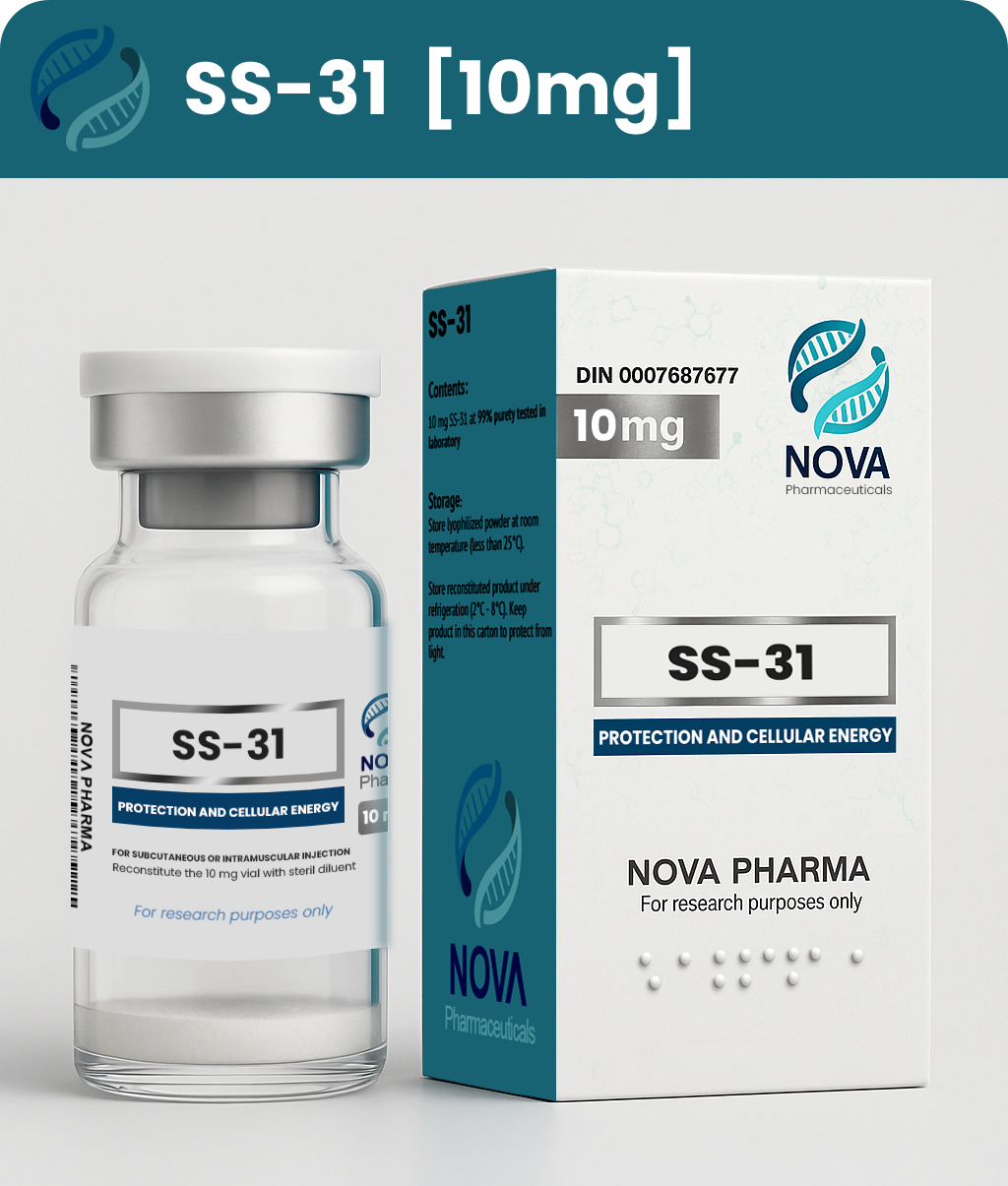
SS-31
25mg
Achetez 3+ : 15 % de rabais
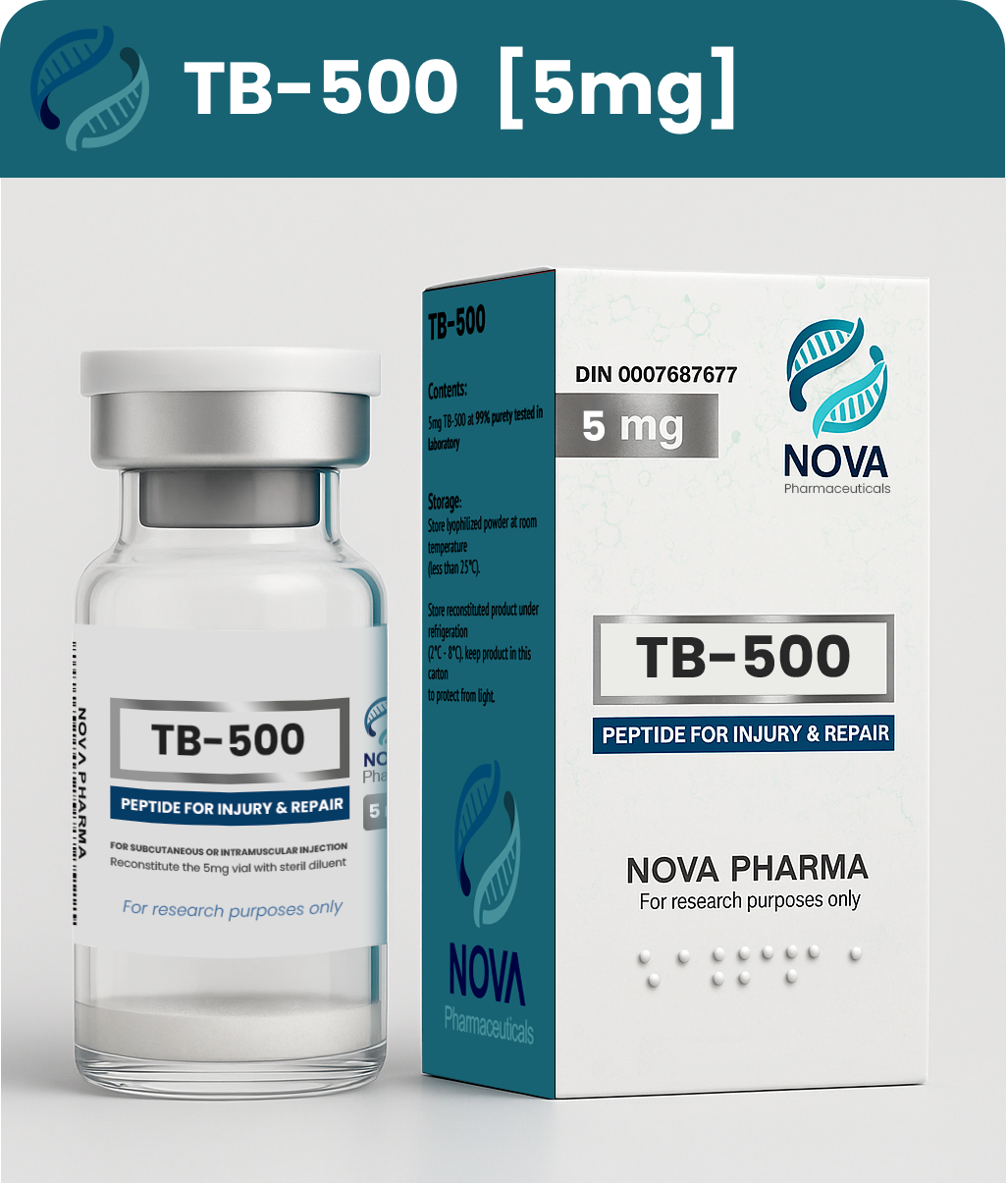
TB-500 5mg
5mg
Achetez 3+ : 15 % de rabais
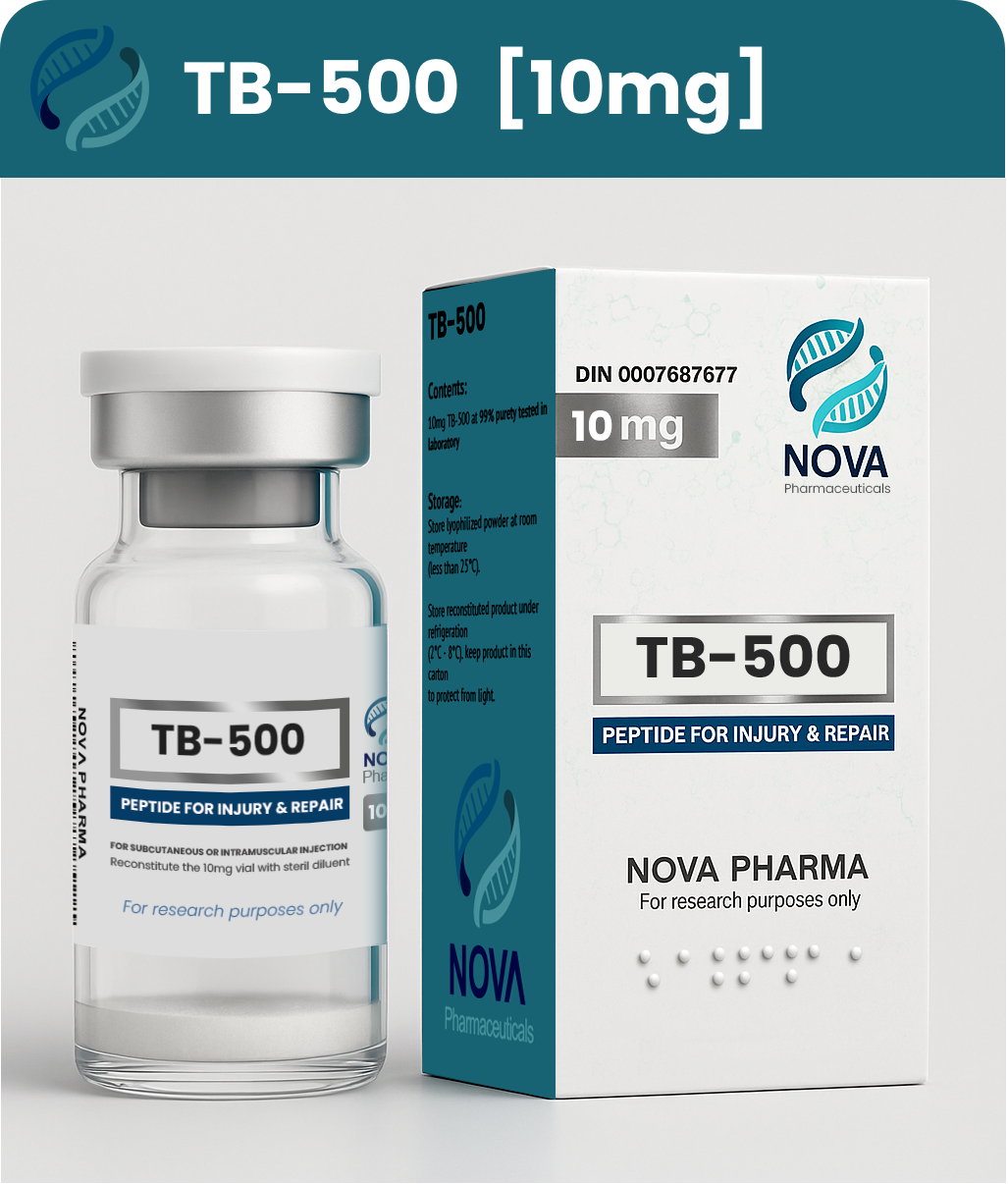
TB-500 10mg
10mg
Achetez 3+ : 15 % de rabais
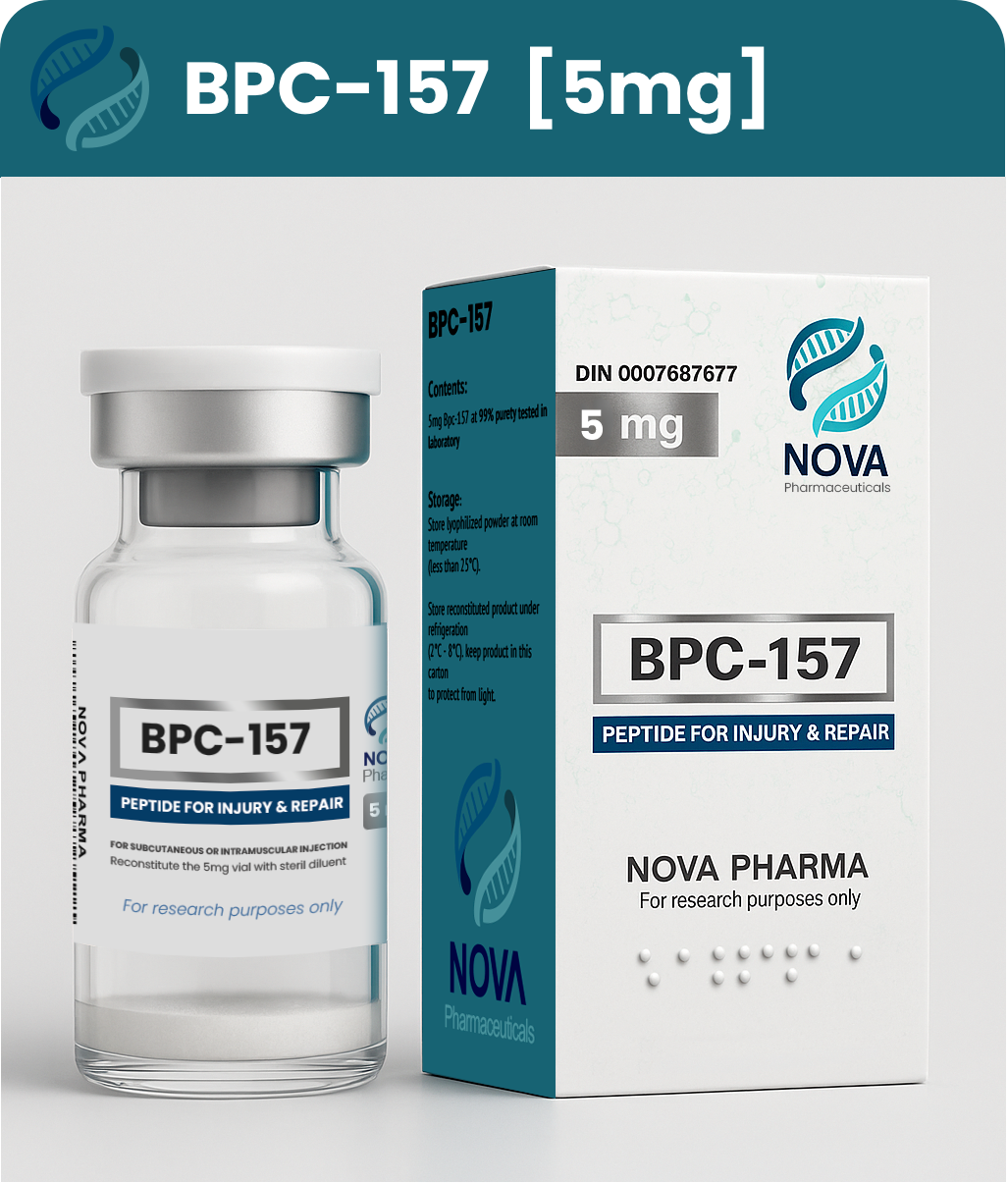
BPC-157 5mg
5mg
Achetez 3+ : 15 % de rabais