VIP Peptide
Peptide intestinal vasoactif — neuroprotecteur et anti-inflammatoire. Applications de recherche en santé cognitive et respiratoire.
Composé
En un coup d'œil
En un coup d'œil
- Concentration
- 5mg
- Pureté
- 99,5 %+
- Voie
- Injection sous-cutanée
- Conservation
- Lyophilisé : température ambiante, dessiccateur. Reconstitué : 2–8 °C, ≤30 jours.
Vasoactive Intestinal Peptide (VIP) is a 28-amino-acid neuropeptide belonging to the glucagon/secretin superfamily, first isolated from porcine intestinal tissue in 1970 but subsequently found to be widely distributed throughout the central and peripheral nervous systems, immune organs, and respiratory tract. VIP functions as a neurotransmitter, neuromodulator, and immunoregulator with an exceptionally broad range of biological activities — it is one of the most pleiotropic signaling molecules in human physiology, with documented effects on vasodilation, bronchodilation, neuroprotection, immune modulation, circadian rhythm regulation, and anti-inflammatory signaling.
VIP acts through two G-protein-coupled receptors: VPAC1 (widely expressed) and VPAC2 (more restricted distribution). Both receptors activate adenylyl cyclase, increasing intracellular cAMP, but they differ in tissue distribution and downstream signaling emphasis. In the CNS, VIP acts as a neuroprotective factor — it inhibits excitotoxicity, promotes neuronal survival, enhances glial cell function, and modulates memory formation in the hippocampus. In the immune system, VIP is a potent anti-inflammatory mediator that shifts macrophage polarization from pro-inflammatory M1 to anti-inflammatory M2, inhibits the production of TNF-alpha and IL-6, and promotes regulatory T-cell differentiation. In the respiratory system, VIP is a potent bronchodilator and pulmonary vasodilator, and VIP deficiency has been implicated in pulmonary hypertension and chronic inflammatory airway conditions.
Research on VIP spans neuroscience, immunology, pulmonology, and circadian biology. Neuroprotection studies document preservation of cognitive function in neurodegeneration models. Immunological research demonstrates potent anti-inflammatory effects in autoimmune models (arthritis, colitis, encephalomyelitis). Pulmonary research shows bronchodilatory effects and potential therapeutic benefit in chronic inflammatory respiratory conditions. VIP's role in circadian rhythm regulation — it is a key signaling molecule in the suprachiasmatic nucleus, the brain's master clock — connects it to sleep, metabolic timing, and hormonal cycling.
VIP is suited for researchers investigating neuroprotection, respiratory function, immune modulation, circadian biology, and systemic anti-inflammatory strategies. Its breadth of action makes it relevant to researchers working at the intersection of neurological, immunological, and respiratory health.
Reconstitute the 5mg vial with 1-2ml bacteriostatic water. VIP can be administered via subcutaneous injection (typically 50-200mcg per day) or intranasally for CNS-targeted research. VIP has a short plasma half-life of approximately 1-2 minutes due to rapid enzymatic degradation, which means frequent dosing or slow-release formulation strategies are necessary for sustained systemic effects. Intranasal administration provides preferential CNS access and is the most common route in neuroprotection research. Store at 2-8C after reconstitution. VIP is sensitive to proteolytic degradation; handle with standard peptide precautions and use reconstituted solution within 21 days.
---
## Tanning
VIP Peptide is supplied as a lyophilized (freeze-dried) powder and must be reconstituted with bacteriostatic water (BAC water) before use in a research setting.
- Clean the BAC water vial stopper and the peptide vial stopper with an alcohol swab. Allow to dry.
- Draw the required volume of BAC water into a sterile syringe (typically 1–3 mL depending on target concentration).
- Angle the needle so the water runs down the inside wall of the peptide vial. Avoid dispensing directly onto the powder.
- Do not shake. Gently swirl or roll until fully dissolved. Vigorous shaking can denature peptides.
- Refrigerate reconstituted solution at 2–8°C. Most reconstituted peptides are stable 14–30 days depending on compound.
Target concentration determines drawing volume. For dosing math, consult the dosing math guide.
Vérification indépendante en laboratoire
Avis de recherche
Pour usage de recherche et de laboratoire uniquement. Non destiné à la consommation humaine ou vétérinaire. Novo Pharma vend à des chercheurs qualifiés majeurs et expédie uniquement aux adresses canadiennes. Voir avis de non-responsabilité et conditions.
Lire la recherche
Articles de référence du laboratoire qui examinent ce composé.
best of
Meilleurs peptides pour la santé intestinale 2026 : SCI, hyperperméabilité et MII
Découvrez les meilleurs peptides pour la santé intestinale en 2026. Protocoles appuyés par la recherche pour le SCI, l'hyperperméabilité intestinale, les MII et la maladie de Crohn avec BPC-157 oral, KPV, LL-37, VIP et Oxytocine.
compound guides
Peptide VIP : Protection intestinale, santé cérébrale et régulation immunitaire
Composés similaires.
Voir tous les Peptides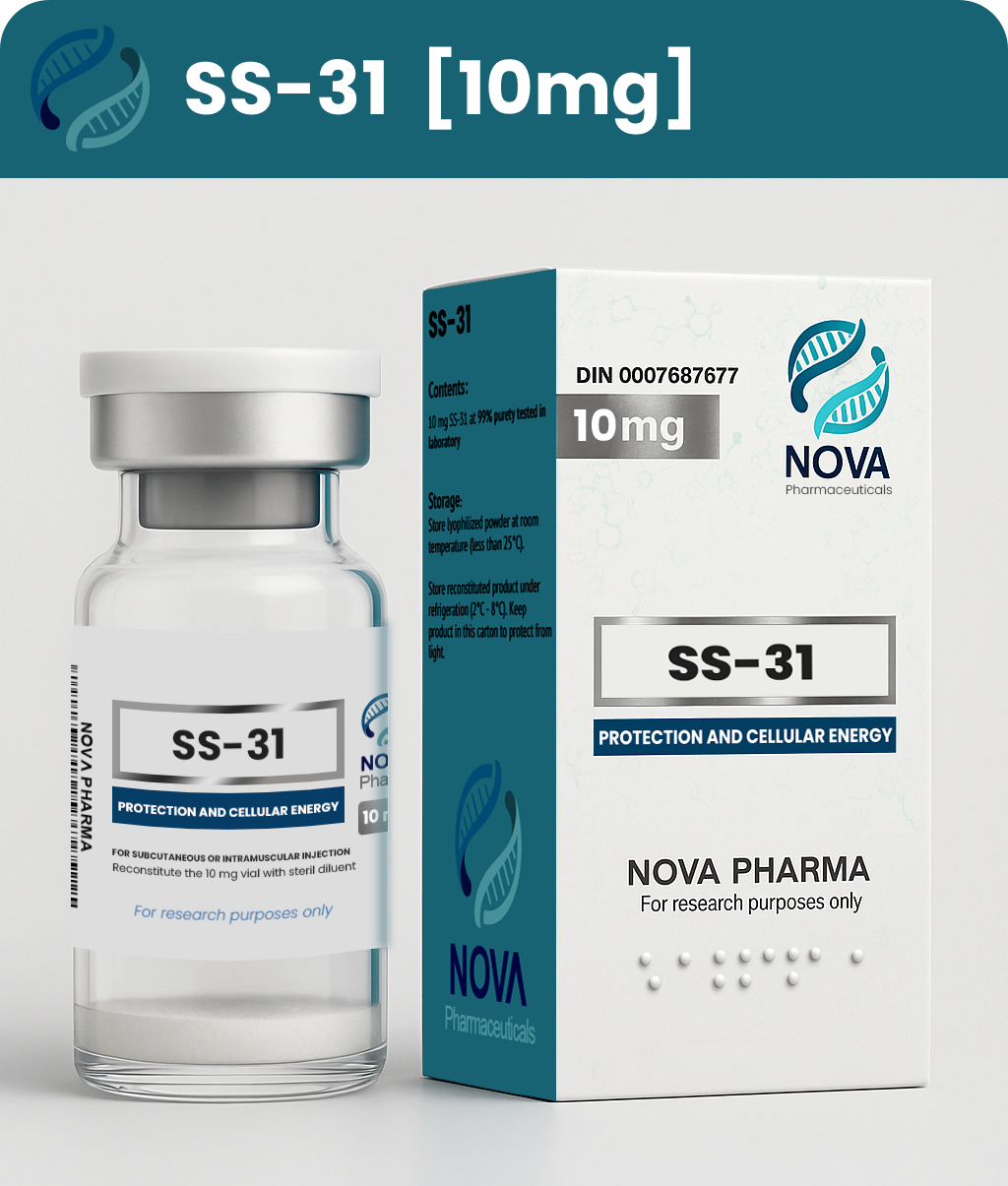
SS-31
25mg
Achetez 3+ : 15 % de rabais
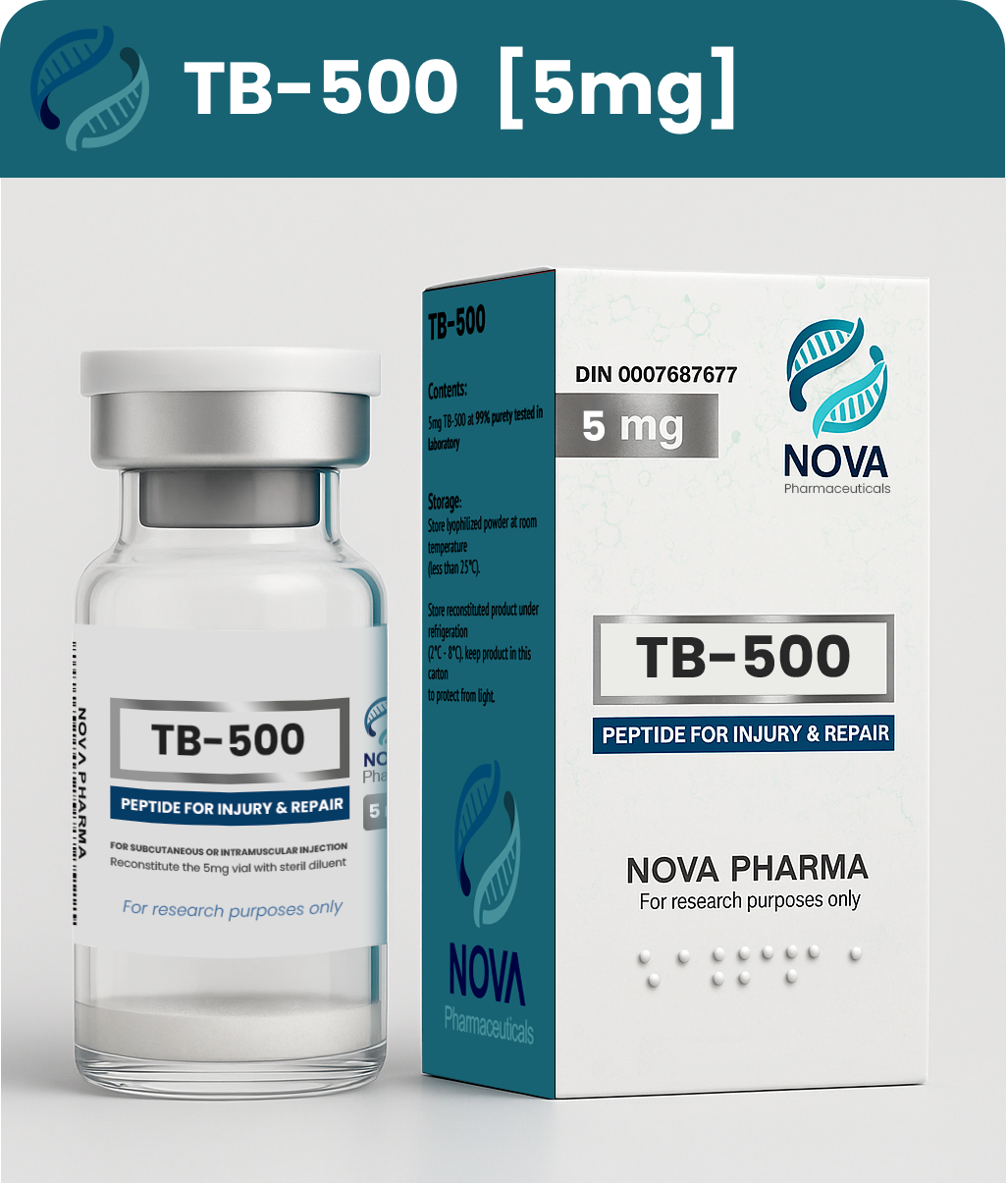
TB-500 5mg
5mg
Achetez 3+ : 15 % de rabais
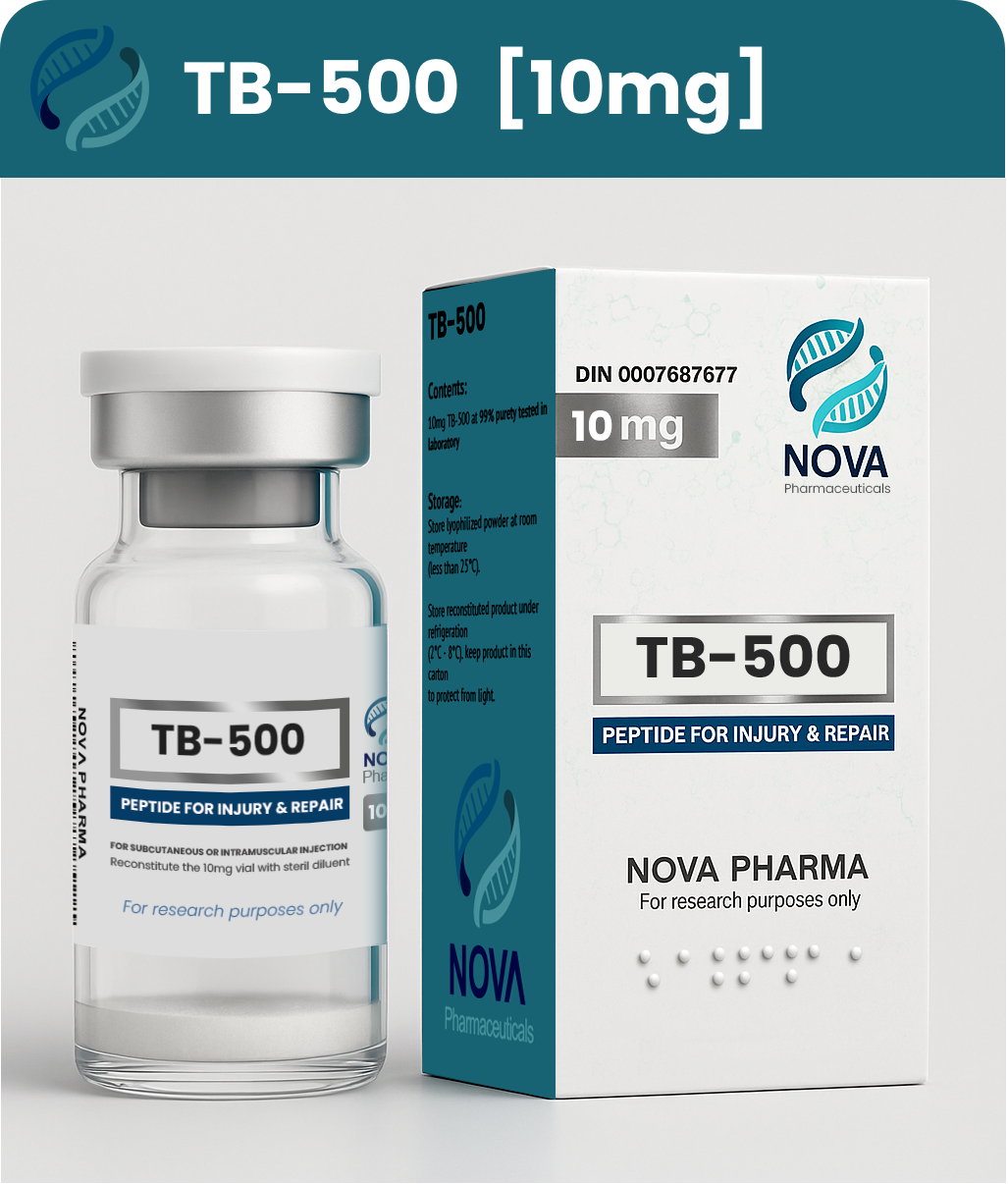
TB-500 10mg
10mg
Achetez 3+ : 15 % de rabais
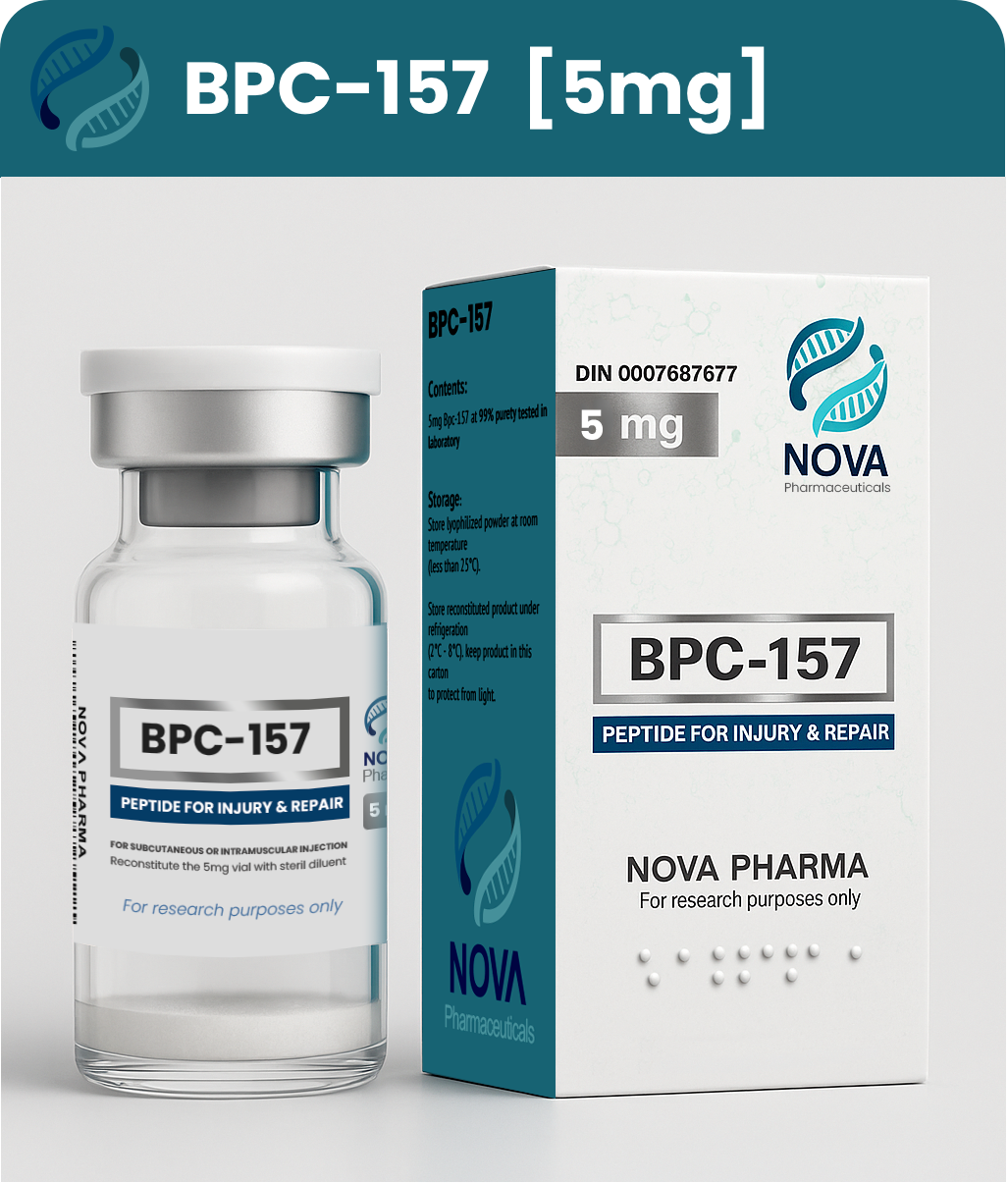
BPC-157 5mg
5mg
Achetez 3+ : 15 % de rabais