Thymulin
Peptide thymique pour la modulation du système immunitaire. Restaure la fonction des lymphocytes T et soutient la santé immunitaire lors des entraînements intensifs.
Composé
En un coup d'œil
En un coup d'œil
- Concentration
- 10mg
- Pureté
- 99,5 %+
- Voie
- Injection sous-cutanée
- Conservation
- Lyophilisé : température ambiante, dessiccateur. Reconstitué : 2–8 °C, ≤30 jours.
Thymulin (also known as Facteur Thymique Serique or FTS) is a naturally occurring nonapeptide (pyro-Glu-Ala-Lys-Ser-Gln-Gly-Gly-Ser-Asn) produced exclusively by thymic epithelial cells. It is the only thymic hormone that requires zinc for biological activity — thymulin circulates in a zinc-bound active form and a zinc-free inactive form, and the balance between these forms reflects both thymic function and zinc nutritional status. Thymulin is a key regulator of T-cell maturation and function, and its production declines progressively with age as the thymus undergoes involution (shrinkage), contributing to the immunosenescence that characterizes aging.
Thymulin binds to specific receptors on T-cell precursors and mature T-cells, modulating their differentiation, maturation, and functional competence. In the thymus, it guides the differentiation of CD4+ and CD8+ T-cell lineages, ensuring proper MHC restriction and self-tolerance. In the periphery, thymulin enhances mature T-cell cytotoxicity, natural killer (NK) cell activity, and cytokine production. It also modulates the CD4+/CD8+ T-cell ratio — a critical parameter of immune competence that shifts unfavorably with age and physiological stress. Research has identified additional effects on the hypothalamic-pituitary-adrenal (HPA) axis: thymulin modulates ACTH and cortisol production, suggesting a bidirectional communication between the thymus and the neuroendocrine system.
The research literature documents thymulin's effects on immune reconstitution, infection resistance, and immunosenescence reversal. Studies in aged animal models show restoration of T-cell-mediated immune responses, improved vaccination efficacy, and enhanced clearance of intracellular pathogens. Research in the context of physiological stress (intensive training, caloric restriction, chronic illness) demonstrates that thymulin supplementation can counteract the immunosuppression associated with these states. The zinc-dependency of thymulin also means that zinc-deficient individuals (a common micronutrient deficiency) may have functionally low thymulin activity even with adequate thymic tissue.
Thymulin is suited for researchers investigating immune optimization, thymic function, immunosenescence, T-cell biology, and neuroimmune communication. It is particularly relevant for researchers studying immune function in the context of aging, intensive physical training, or chronic stress — conditions where thymic output and T-cell competence are compromised.
Reconstitute the 10mg vial with 1-2ml bacteriostatic water. Administer via subcutaneous injection, typically 1-5mg per day. Ensure adequate zinc intake in research protocols, as thymulin requires zinc for activation. The half-life of thymulin is approximately 20-30 minutes in plasma, supporting once-daily dosing for sustained immune modulation. Protocols typically run 4-12 weeks. Store at 2-8C after reconstitution. Lyophilized powder should be refrigerated and protected from moisture.
Thymulin is supplied as a lyophilized (freeze-dried) powder and must be reconstituted with bacteriostatic water (BAC water) before use in a research setting.
- Clean the BAC water vial stopper and the peptide vial stopper with an alcohol swab. Allow to dry.
- Draw the required volume of BAC water into a sterile syringe (typically 1–3 mL depending on target concentration).
- Angle the needle so the water runs down the inside wall of the peptide vial. Avoid dispensing directly onto the powder.
- Do not shake. Gently swirl or roll until fully dissolved. Vigorous shaking can denature peptides.
- Refrigerate reconstituted solution at 2–8°C. Most reconstituted peptides are stable 14–30 days depending on compound.
Target concentration determines drawing volume. For dosing math, consult the dosing math guide.
Vérification indépendante en laboratoire
Avis de recherche
Pour usage de recherche et de laboratoire uniquement. Non destiné à la consommation humaine ou vétérinaire. Novo Pharma vend à des chercheurs qualifiés majeurs et expédie uniquement aux adresses canadiennes. Voir avis de non-responsabilité et conditions.
Lire la recherche
Articles de référence du laboratoire qui examinent ce composé.
best of
Meilleurs Peptides pour la Croissance des Cheveux 2026 : GHK-Cu, Thymulin et Plus
Meilleurs peptides pour la croissance des cheveux en 2026 : GHK-Cu, Thymulin, PTD-DBM et TB-500 classés par preuves. Protocoles de repousse, prévention et approches combinées.
best of
Meilleurs peptides pour la fonction immunitaire 2026 : Thymuline, LL-37 et au-delà
Meilleurs peptides pour la fonction immunitaire en 2026. Protocoles de Thymuline, Thymosine Alpha-1, LL-37 et KPV pour le soutien immunitaire, la défense antivirale et l'immunosénescence.
compound guides
Thymuline : Le peptide immunitaire que votre corps cesse de produire après 40 ans
Composés similaires.
Voir tous les Peptides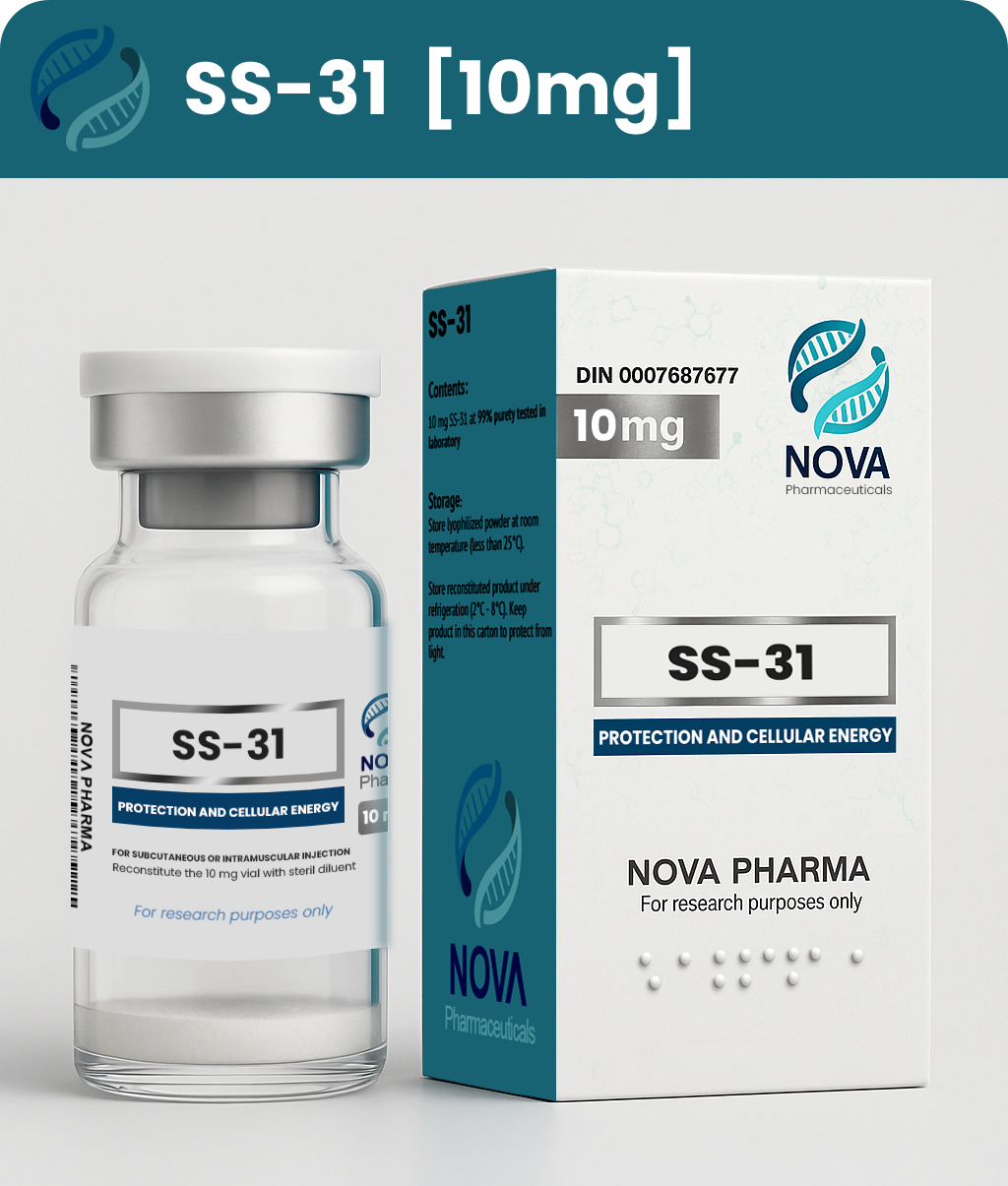
SS-31
25mg
Achetez 3+ : 15 % de rabais
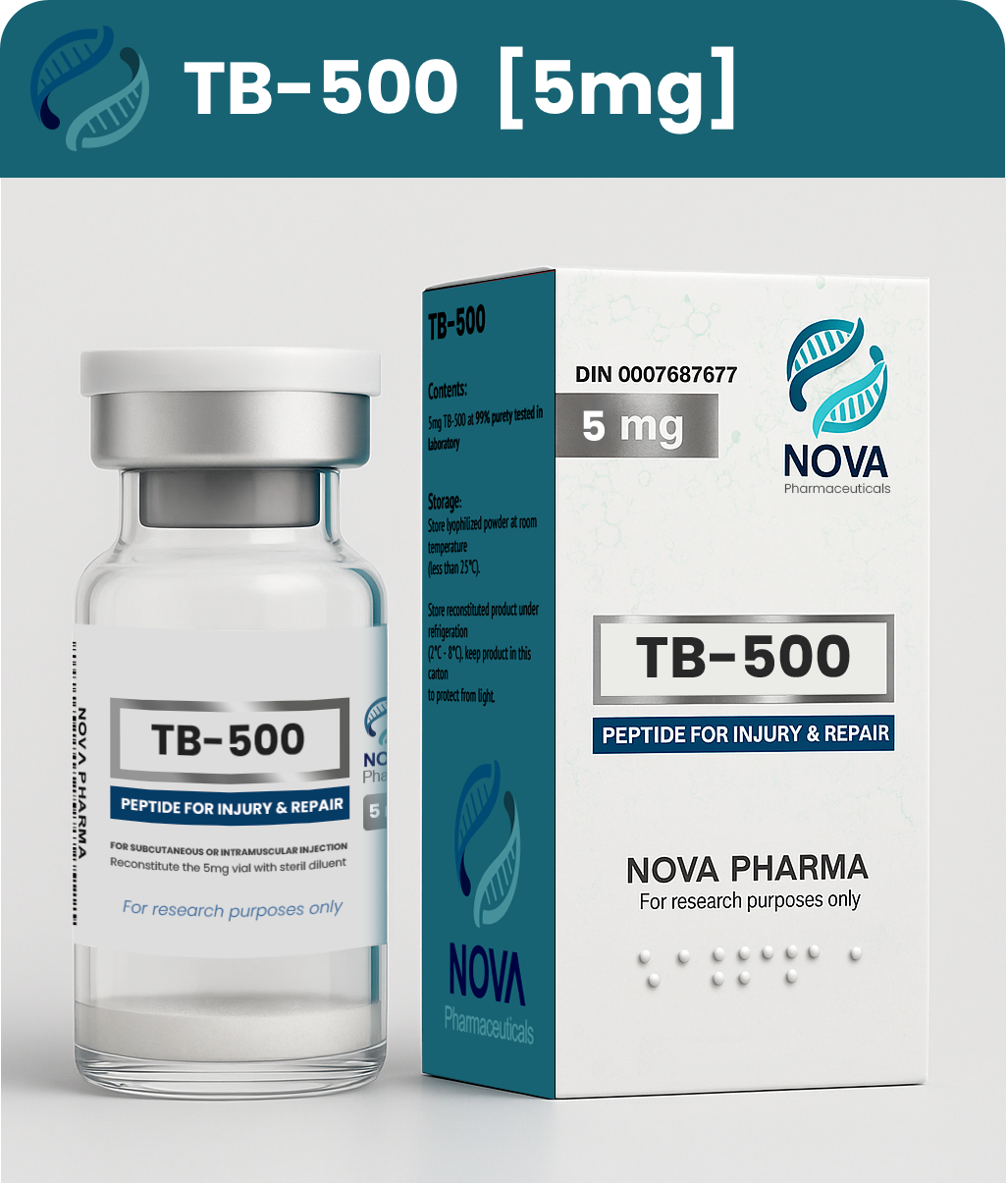
TB-500 5mg
5mg
Achetez 3+ : 15 % de rabais
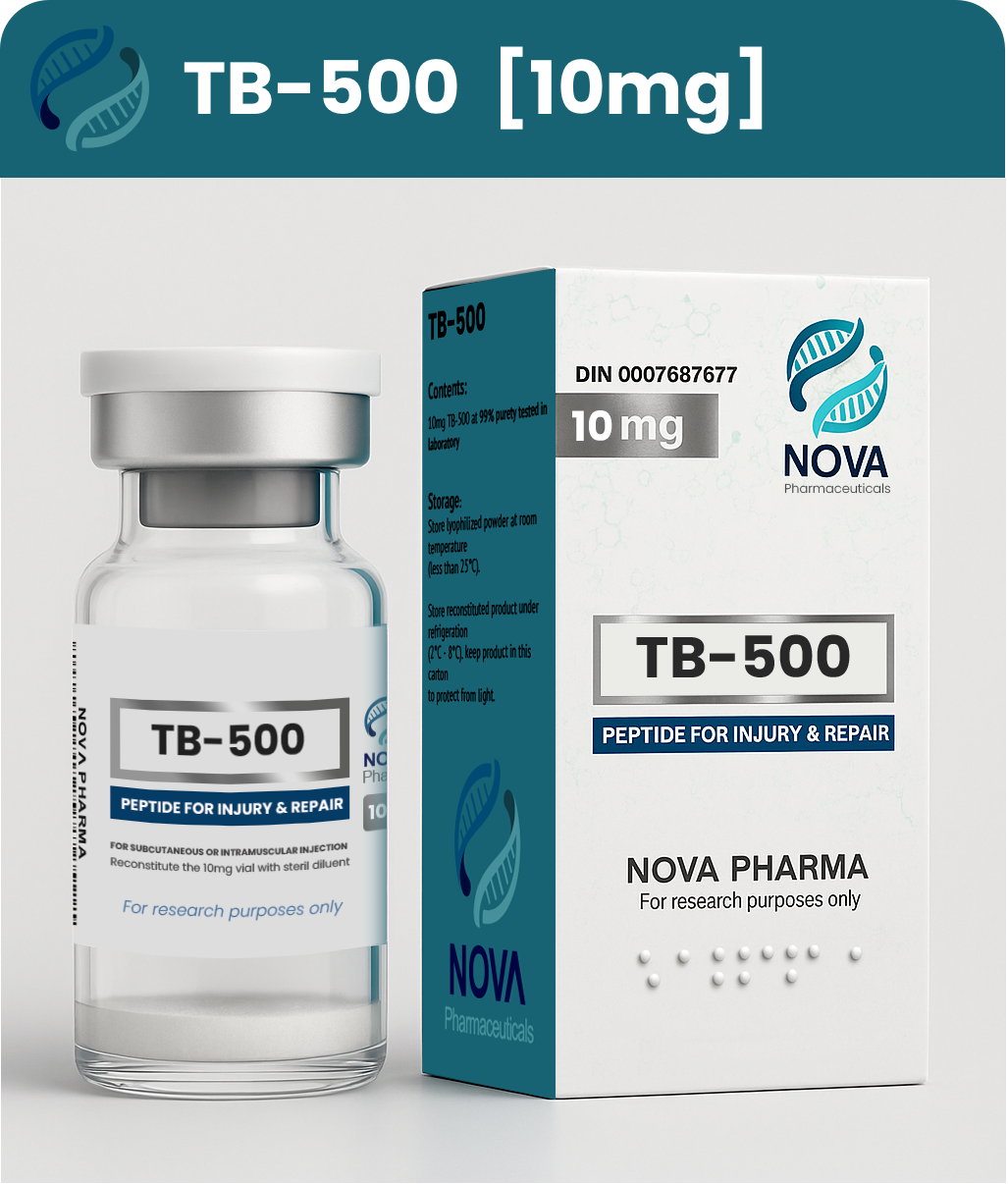
TB-500 10mg
10mg
Achetez 3+ : 15 % de rabais
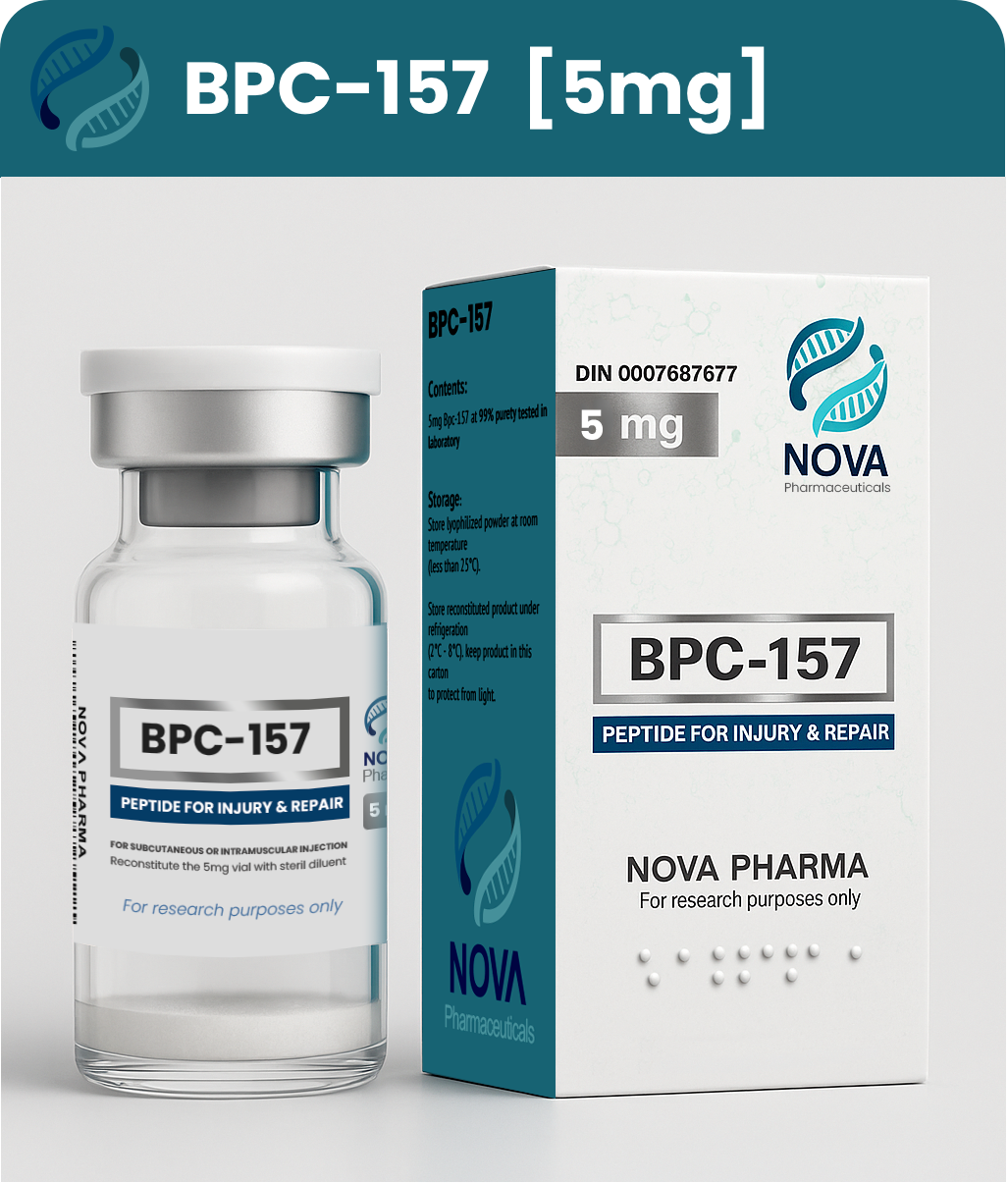
BPC-157 5mg
5mg
Achetez 3+ : 15 % de rabais