LL-37
Peptide antimicrobien cathélicidine humaine. Défense immunitaire à large spectre avec des propriétés cicatrisantes et anti-biofilm.
Composé
En un coup d'œil
En un coup d'œil
- Concentration
- 5mg
- Pureté
- 99,5 %+
- Voie
- Injection sous-cutanée
- Conservation
- Lyophilisé : température ambiante, dessiccateur. Reconstitué : 2–8 °C, ≤30 jours.
LL-37 is the only cathelicidin-derived antimicrobial peptide produced by the human immune system. It is a 37-amino-acid peptide (beginning with two leucine residues, hence the name) cleaved from its precursor protein hCAP18 by proteinase 3. LL-37 is constitutively expressed in neutrophils, macrophages, epithelial cells of the skin, respiratory tract, and gastrointestinal tract, and its expression is upregulated by vitamin D signaling — the mechanistic link behind vitamin D's well-documented immune-supportive effects. It belongs to the cathelicidin family, one of the two major classes of human antimicrobial peptides.
LL-37's mechanism of action is multifaceted. As an antimicrobial, it disrupts bacterial membranes through electrostatic interaction with negatively charged lipopolysaccharides (gram-negative) and lipoteichoic acids (gram-positive), creating pores that cause osmotic lysis. Critically, LL-37 is also active against bacterial biofilms — the protective polysaccharide matrices that make chronic infections resistant to conventional antibiotics. It penetrates established biofilm structures and prevents new biofilm formation. Beyond direct antimicrobial activity, LL-37 functions as an immune modulator: it acts as a chemoattractant for neutrophils, monocytes, and T-cells; stimulates angiogenesis and wound healing; modulates dendritic cell differentiation; and promotes the clearance of cellular debris through enhanced phagocytosis.
Research applications for LL-37 span antimicrobial defense, wound healing, immune modulation, and anti-biofilm strategies. Studies have demonstrated efficacy against methicillin-resistant Staphylococcus aureus (MRSA), Pseudomonas aeruginosa biofilms, Candida species, and various respiratory pathogens. Its wound-healing properties have been documented in chronic wound models, where it promotes re-epithelialization, angiogenesis, and inflammatory resolution simultaneously. Researchers investigating upper respiratory defense, chronic wound management, and immune system optimization have found LL-37 to be a compound of significant interest.
LL-37 is best suited for researchers investigating immune defense enhancement, biofilm-associated infections, chronic wound healing, and mucosal immunity. It is particularly relevant for protocols involving compromised immune function or environments with elevated infection risk.
Reconstitute the 5mg vial with 1-2ml bacteriostatic water. LL-37 is administered via subcutaneous injection, with typical research dosing of 50-100mcg per day. Due to its antimicrobial nature, reconstituted LL-37 is relatively resistant to bacterial contamination, but standard sterile handling and refrigeration at 2-8C remain essential. Use reconstituted solution within 21-28 days. LL-37 has a plasma half-life of approximately 1-2 hours and is susceptible to proteolytic degradation, so consistent daily dosing is standard in research protocols. Store lyophilized powder at -20C for long-term preservation.
---
## GLP-1 / Weight Management
LL-37 is supplied as a lyophilized (freeze-dried) powder and must be reconstituted with bacteriostatic water (BAC water) before use in a research setting.
- Clean the BAC water vial stopper and the peptide vial stopper with an alcohol swab. Allow to dry.
- Draw the required volume of BAC water into a sterile syringe (typically 1–3 mL depending on target concentration).
- Angle the needle so the water runs down the inside wall of the peptide vial. Avoid dispensing directly onto the powder.
- Do not shake. Gently swirl or roll until fully dissolved. Vigorous shaking can denature peptides.
- Refrigerate reconstituted solution at 2–8°C. Most reconstituted peptides are stable 14–30 days depending on compound.
Target concentration determines drawing volume. For dosing math, consult the dosing math guide.
Vérification indépendante en laboratoire
Avis de recherche
Pour usage de recherche et de laboratoire uniquement. Non destiné à la consommation humaine ou vétérinaire. Novo Pharma vend à des chercheurs qualifiés majeurs et expédie uniquement aux adresses canadiennes. Voir avis de non-responsabilité et conditions.
Lire la recherche
Articles de référence du laboratoire qui examinent ce composé.
best of
Meilleurs peptides pour la santé intestinale 2026 : SCI, hyperperméabilité et MII
Découvrez les meilleurs peptides pour la santé intestinale en 2026. Protocoles appuyés par la recherche pour le SCI, l'hyperperméabilité intestinale, les MII et la maladie de Crohn avec BPC-157 oral, KPV, LL-37, VIP et Oxytocine.
best of
Meilleurs peptides pour la fonction immunitaire 2026 : Thymuline, LL-37 et au-delà
Meilleurs peptides pour la fonction immunitaire en 2026. Protocoles de Thymuline, Thymosine Alpha-1, LL-37 et KPV pour le soutien immunitaire, la défense antivirale et l'immunosénescence.
compound guides
LL-37 : Le peptide antibiotique naturel de votre corps — Bienfaits et recherche
Composés similaires.
Voir tous les Peptides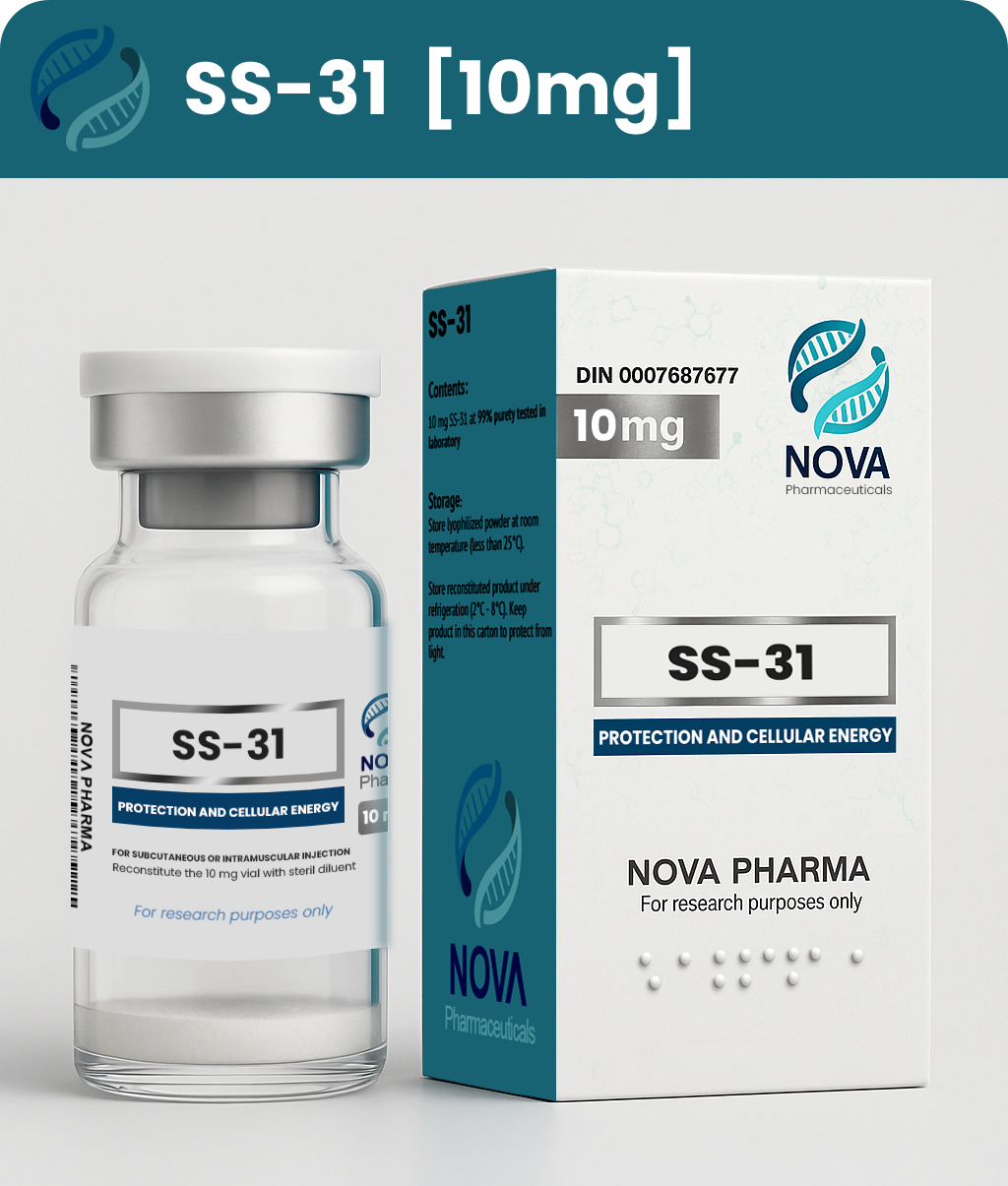
SS-31
25mg
Achetez 3+ : 15 % de rabais
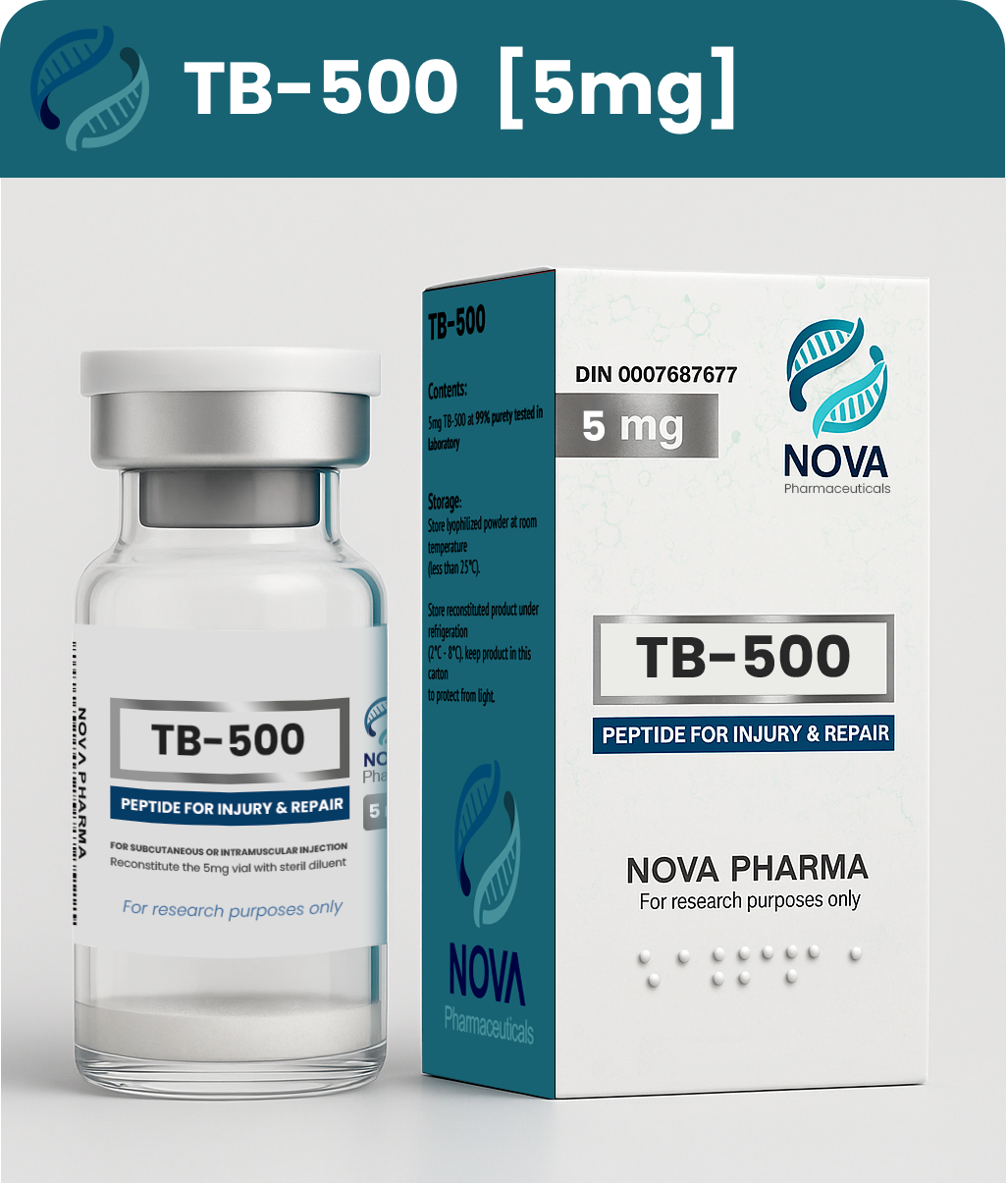
TB-500 5mg
5mg
Achetez 3+ : 15 % de rabais
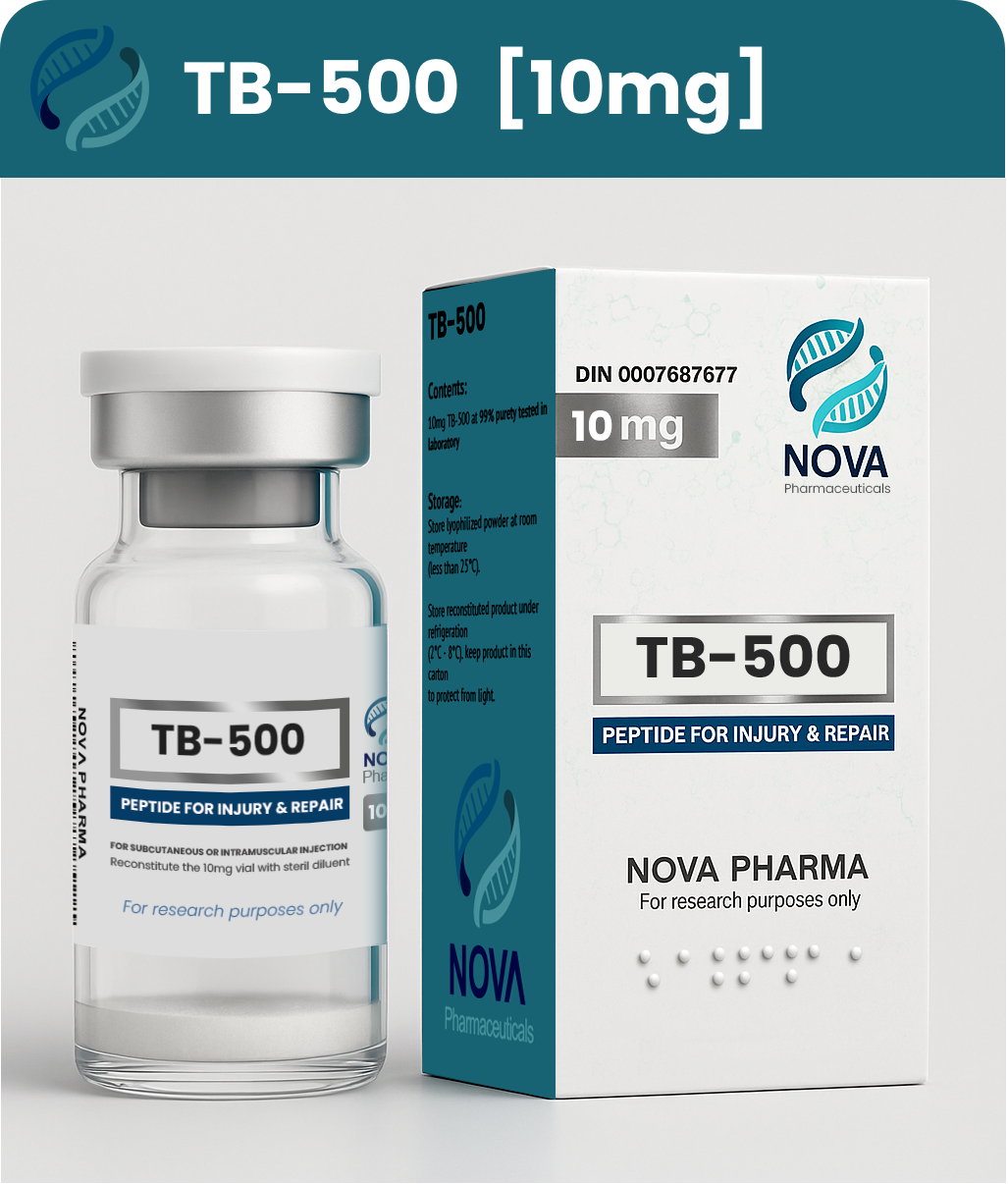
TB-500 10mg
10mg
Achetez 3+ : 15 % de rabais
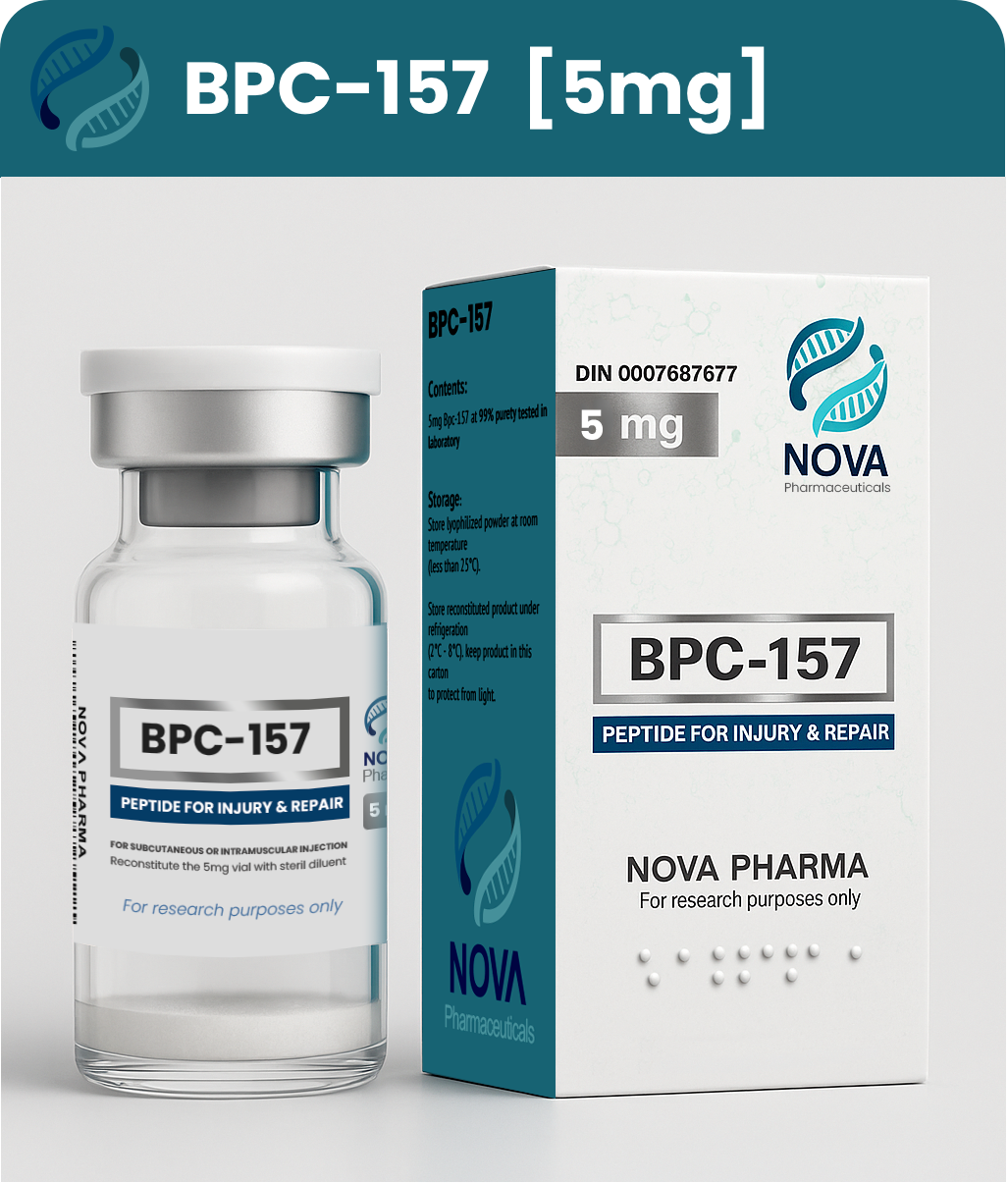
BPC-157 5mg
5mg
Achetez 3+ : 15 % de rabais