Humanin
Peptide dérivé des mitochondries aux propriétés neuroprotectrices et cytoprotectrices. Composé de recherche émergent en longévité.
Composé
En un coup d'œil
En un coup d'œil
- Concentration
- 5mg
- Pureté
- 99,5 %+
- Voie
- Injection sous-cutanée
- Conservation
- Lyophilisé : température ambiante, dessiccateur. Reconstitué : 2–8 °C, ≤30 jours.
Humanin is a 24-amino-acid mitochondrial-derived peptide (MDP) encoded within the 16S ribosomal RNA gene of the mitochondrial genome. It was discovered in 2001 from a cDNA library of a surviving neuron in an Alzheimer's disease brain — a cell that had resisted the neurodegeneration surrounding it. This origin is significant: Humanin was identified because of its neuroprotective function, and subsequent research has expanded its role to encompass cytoprotection across virtually every tissue type studied. Along with MOTS-c, Humanin is a founding member of the mitochondrial-derived peptide class.
Humanin exerts its cytoprotective effects through multiple receptor-mediated pathways. It binds to the heterotrimeric receptor complex composed of CNTFR (ciliary neurotrophic factor receptor), WSX-1 (IL-27 receptor subunit), and gp130, activating the JAK2-STAT3 signaling cascade that promotes cell survival and inhibits apoptosis. Humanin also binds to FPRL-1 (formyl peptide receptor-like 1) and the intracellular protein IGFBP-3, modulating IGF-1 signaling. Its anti-apoptotic mechanism involves direct interaction with pro-apoptotic members of the Bcl-2 family (particularly Bax and Bid), preventing their oligomerization at the mitochondrial membrane and blocking the intrinsic apoptotic cascade. Additionally, Humanin reduces endoplasmic reticulum stress, inhibits amyloid-beta toxicity, and modulates inflammatory signaling.
The research literature on Humanin spans neuroprotection, cardioprotection, metabolic regulation, and cellular aging. Studies demonstrate protection against Alzheimer's amyloid-beta toxicity, preservation of cardiac function in ischemia-reperfusion models, improved insulin sensitivity, reduced atherosclerotic plaque formation, and enhanced cellular stress resistance. Circulating Humanin levels decline with age and correlate inversely with age-related disease markers, suggesting endogenous Humanin depletion as a component of the aging process. Notably, centenarians and their offspring have been found to have higher circulating Humanin levels than age-matched controls, establishing an epidemiological link between Humanin and exceptional longevity.
Humanin is suited for researchers investigating neuroprotection, cytoprotection, cellular aging, mitochondrial signaling, and anti-apoptotic mechanisms. It is an emerging cornerstone of multi-pathway longevity protocols and represents the neuroprotective arm of mitochondrial-derived peptide research.
Reconstitute the 5mg vial with 1ml bacteriostatic water (yielding 5mg/ml). Administer via subcutaneous injection, typically 1-5mg per dose, 3-5 times per week. Humanin has a relatively short plasma half-life (approximately 30 minutes for native Humanin), though synthetic analogs with extended half-lives exist in the research literature. Daily or every-other-day dosing supports sustained cytoprotective signaling. Store at 2-8C after reconstitution. Lyophilized powder should be stored at -20C. Humanin is sensitive to oxidation; protect reconstituted solution from prolonged light exposure.
---
## Beauty & Skin
Humanin is supplied as a lyophilized (freeze-dried) powder and must be reconstituted with bacteriostatic water (BAC water) before use in a research setting.
- Clean the BAC water vial stopper and the peptide vial stopper with an alcohol swab. Allow to dry.
- Draw the required volume of BAC water into a sterile syringe (typically 1–3 mL depending on target concentration).
- Angle the needle so the water runs down the inside wall of the peptide vial. Avoid dispensing directly onto the powder.
- Do not shake. Gently swirl or roll until fully dissolved. Vigorous shaking can denature peptides.
- Refrigerate reconstituted solution at 2–8°C. Most reconstituted peptides are stable 14–30 days depending on compound.
Target concentration determines drawing volume. For dosing math, consult the dosing math guide.
Vérification indépendante en laboratoire
Avis de recherche
Pour usage de recherche et de laboratoire uniquement. Non destiné à la consommation humaine ou vétérinaire. Novo Pharma vend à des chercheurs qualifiés majeurs et expédie uniquement aux adresses canadiennes. Voir avis de non-responsabilité et conditions.
Lire la recherche
Articles de référence du laboratoire qui examinent ce composé.
Composés similaires.
Voir tous les Peptides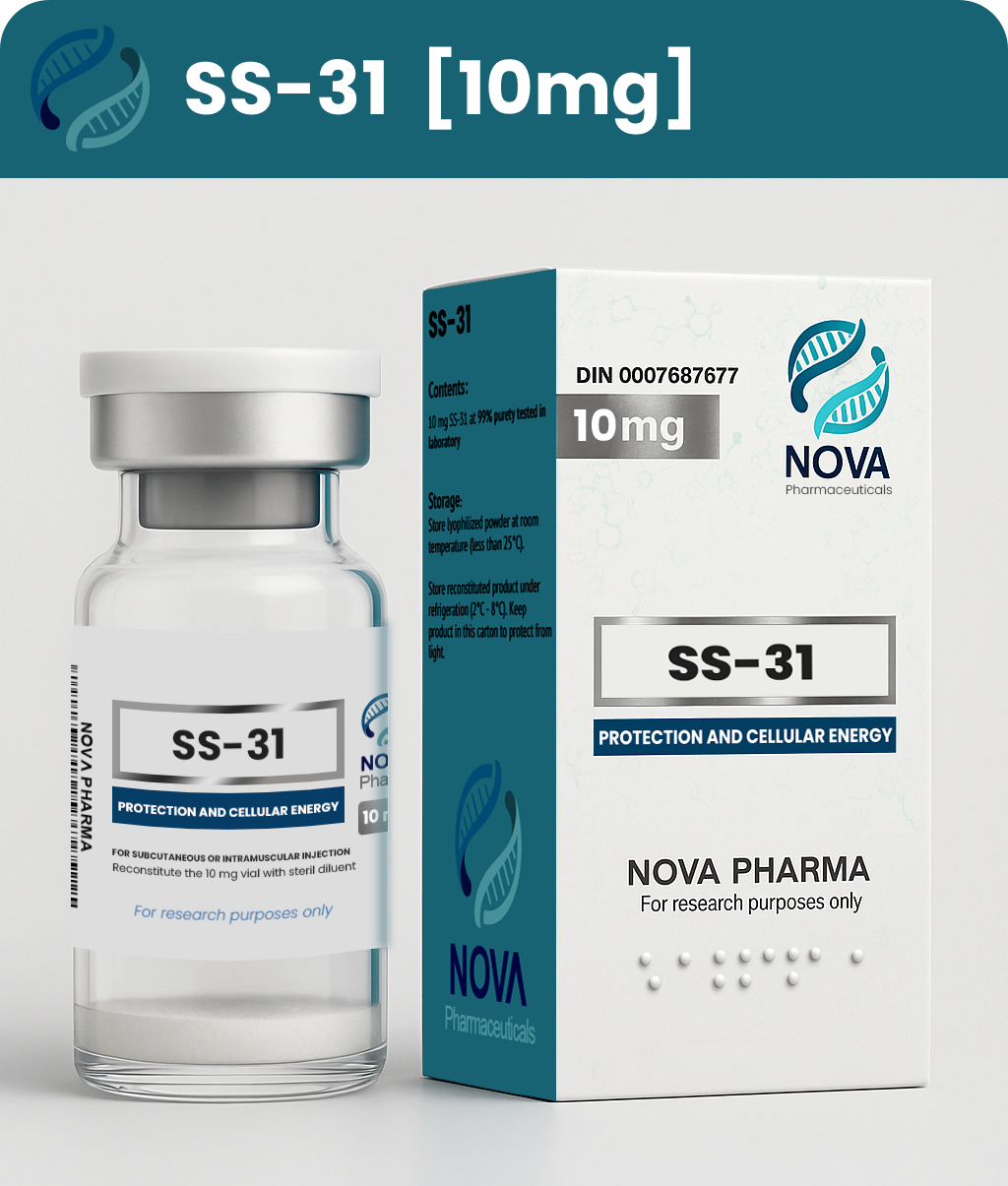
SS-31
25mg
Achetez 3+ : 15 % de rabais
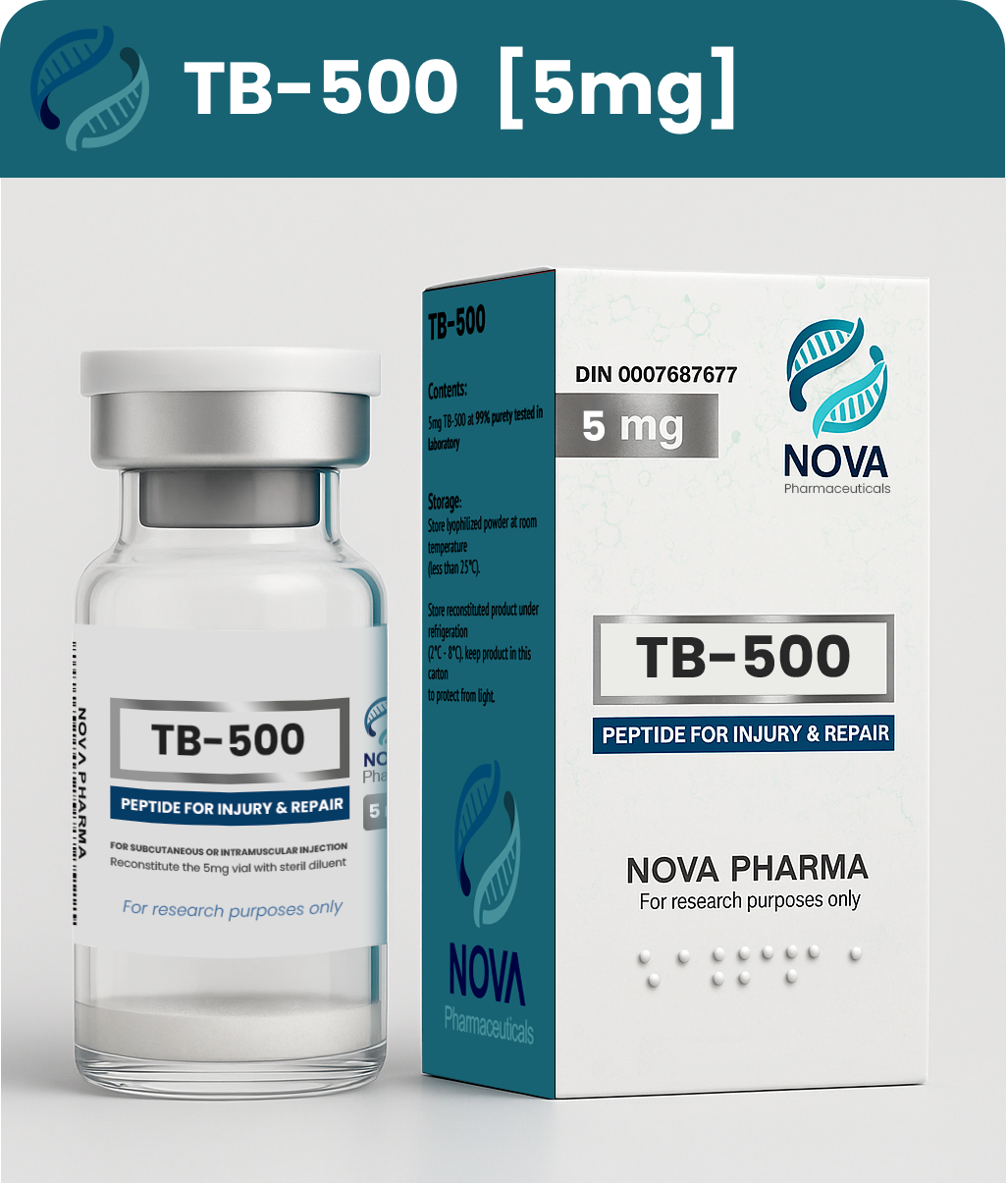
TB-500 5mg
5mg
Achetez 3+ : 15 % de rabais
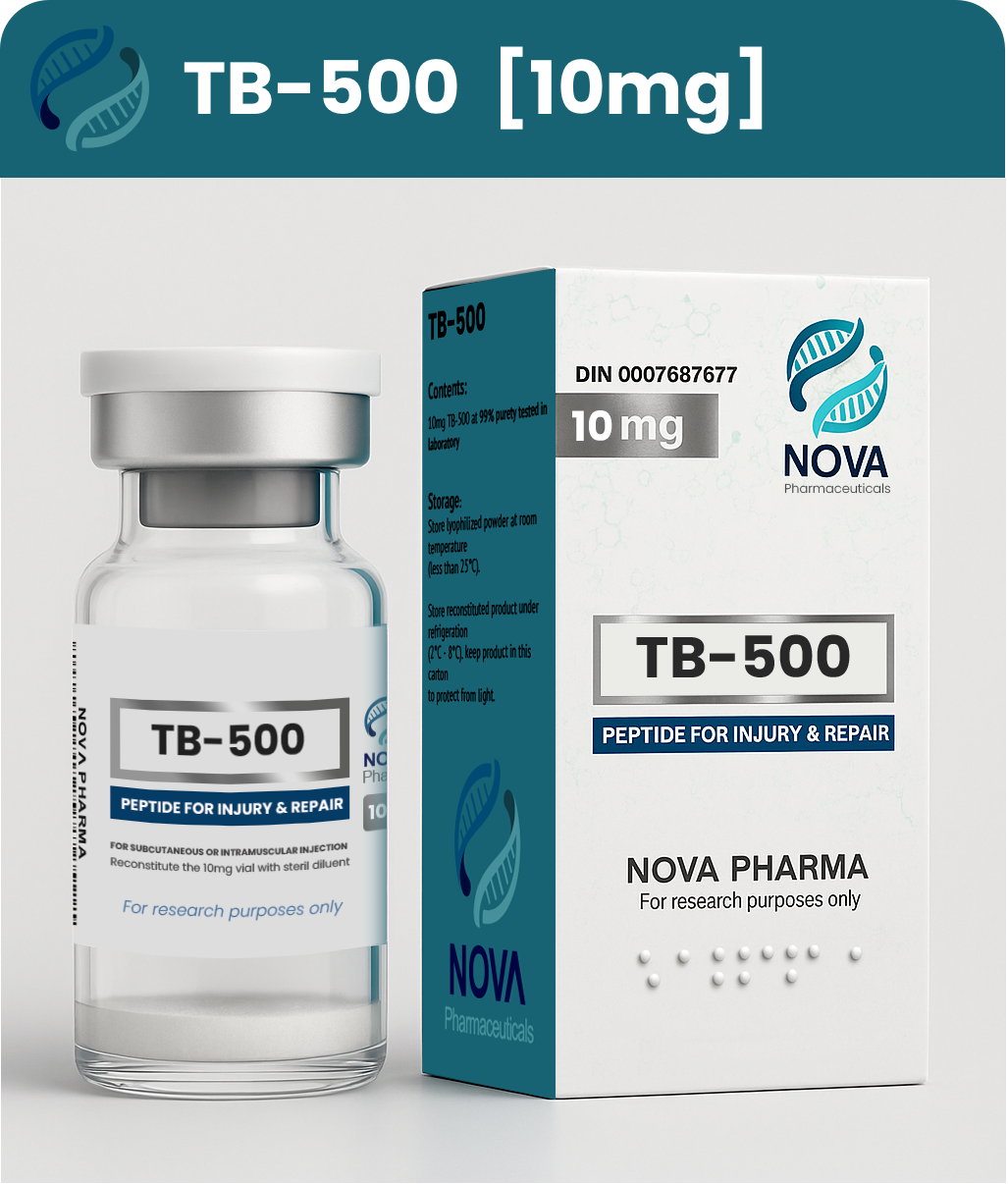
TB-500 10mg
10mg
Achetez 3+ : 15 % de rabais
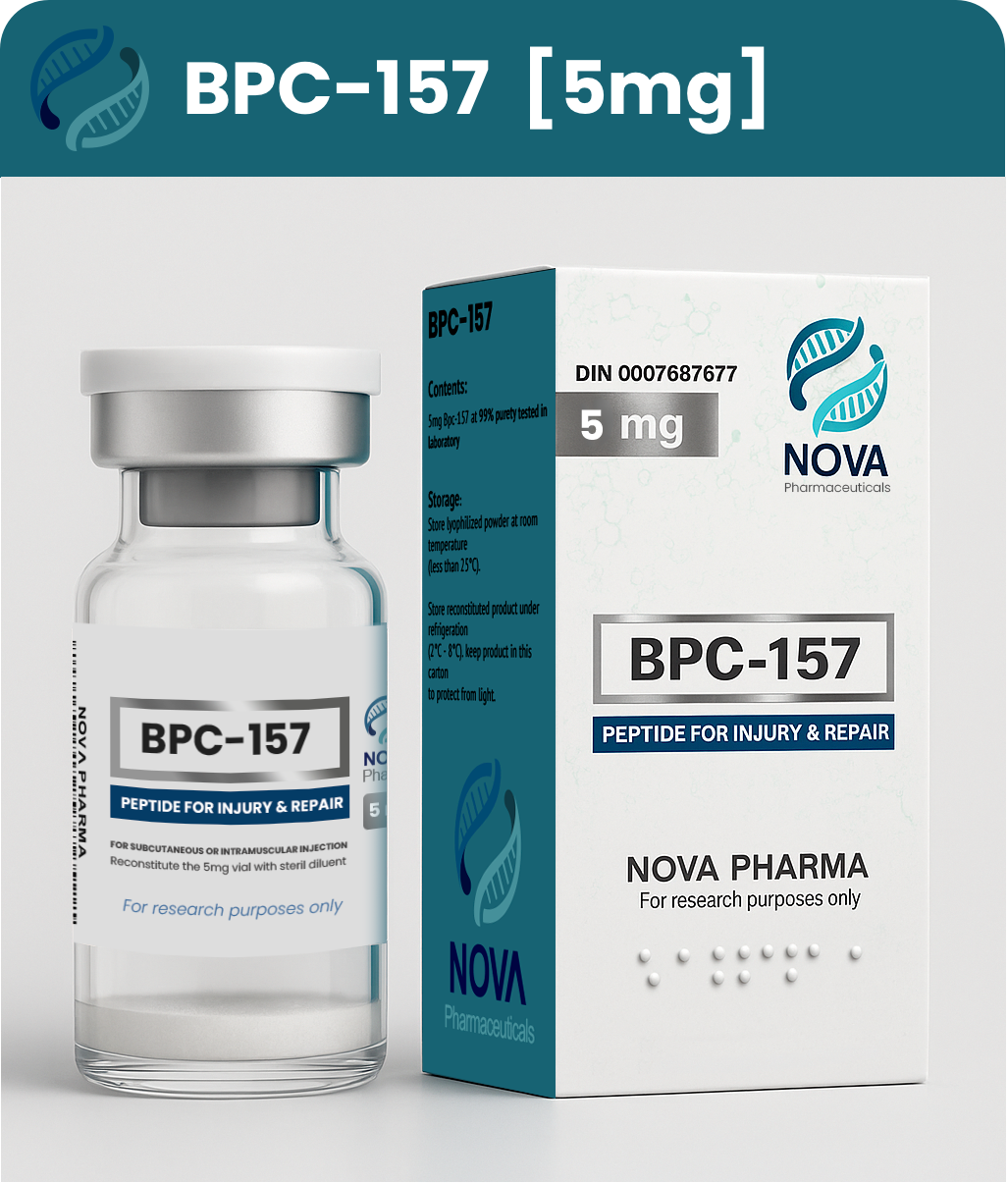
BPC-157 5mg
5mg
Achetez 3+ : 15 % de rabais