HCG 5000IU
Gonadotrophine chorionique humaine — essentielle pour maintenir la fonction testiculaire pendant le cycle et la PCT.
Composé
En un coup d'œil
En un coup d'œil
- Concentration
- 5000 IU
- Pureté
- 99,5 %+
- Voie
- Injection sous-cutanée
- Conservation
- Lyophilisé : température ambiante, dessiccateur. Reconstitué : 2–8 °C, ≤30 jours.
Human Chorionic Gonadotropin (HCG) is a 237-amino-acid heterodimeric glycoprotein hormone composed of an alpha subunit (shared with LH, FSH, and TSH) and a unique beta subunit that confers its biological specificity. HCG is naturally produced by trophoblast cells of the placenta during pregnancy, but its research significance lies in its near-identical structural and functional homology with luteinizing hormone (LH). HCG binds to and activates the LH/CG receptor on Leydig cells in the testes, directly stimulating testosterone biosynthesis through the cholesterol side-chain cleavage pathway, independent of the hypothalamic-pituitary axis.
HCG's mechanism at the testicular level bypasses the HPG axis entirely. By directly binding LH receptors on Leydig cells, it activates adenylyl cyclase, increases cAMP, and upregulates the steroidogenic acute regulatory protein (StAR) that transports cholesterol into mitochondria for conversion to pregnenolone — the rate-limiting step in testosterone synthesis. This direct Leydig cell stimulation maintains intratesticular testosterone (ITT) at levels necessary for spermatogenesis, testicular volume, and Leydig cell viability even when exogenous androgen use has suppressed LH secretion from the pituitary. Without LH receptor stimulation, Leydig cells undergo progressive desensitization and atrophy, making HCG essential for preserving testicular function during protocols that suppress endogenous gonadotropins.
Research consistently demonstrates that HCG maintains testicular size, preserves intratesticular testosterone concentrations, supports spermatogenesis, and facilitates faster recovery of endogenous testosterone production when exogenous androgens are discontinued. It is the standard of care for preventing testicular atrophy during testosterone replacement therapy and is a foundational component of post-cycle therapy (PCT) protocols, where it is typically used as a "bridge" between the cessation of suppressive compounds and the initiation of SERM-based recovery.
HCG is suited for researchers investigating testicular function maintenance, HPG axis recovery, intratesticular testosterone dynamics, and reproductive hormone optimization. It is an essential compound for any research protocol involving suppressive hormonal compounds.
Reconstitute the 5000IU vial with 2.5ml bacteriostatic water (yielding 2000IU/ml). Administer via subcutaneous or intramuscular injection. On-cycle research dosing typically ranges from 250-500IU every other day or twice weekly. PCT bridge dosing may use 1000-1500IU every other day for 2-3 weeks before transitioning to SERMs. HCG has a half-life of approximately 24-36 hours. Store reconstituted solution at 2-8C and use within 30 days — HCG is a large glycoprotein that degrades relatively quickly in solution. Do not freeze reconstituted HCG. The lyophilized powder should be refrigerated.
HCG 5000IU is supplied as a lyophilized (freeze-dried) powder and must be reconstituted with bacteriostatic water (BAC water) before use in a research setting.
- Clean the BAC water vial stopper and the peptide vial stopper with an alcohol swab. Allow to dry.
- Draw the required volume of BAC water into a sterile syringe (typically 1–3 mL depending on target concentration).
- Angle the needle so the water runs down the inside wall of the peptide vial. Avoid dispensing directly onto the powder.
- Do not shake. Gently swirl or roll until fully dissolved. Vigorous shaking can denature peptides.
- Refrigerate reconstituted solution at 2–8°C. Most reconstituted peptides are stable 14–30 days depending on compound.
Target concentration determines drawing volume. For dosing math, consult the dosing math guide.
Vérification indépendante en laboratoire
Avis de recherche
Pour usage de recherche et de laboratoire uniquement. Non destiné à la consommation humaine ou vétérinaire. Novo Pharma vend à des chercheurs qualifiés majeurs et expédie uniquement aux adresses canadiennes. Voir avis de non-responsabilité et conditions.
Lire la recherche
Articles de référence du laboratoire qui examinent ce composé.
beginner guides
Cycle débutant de Testosterone Enanthate : le protocole complet de 12 semaines
best of
Meilleur Premier Cycle de Stéroïdes 2026 : Le Seul Protocole Que les Débutants Devraient Suivre
compound guides
Bilan sanguin pour utilisateurs de stéroïdes : quoi tester, quand et pourquoi (Guide canadien)
Composés similaires.
Voir tous les Peptides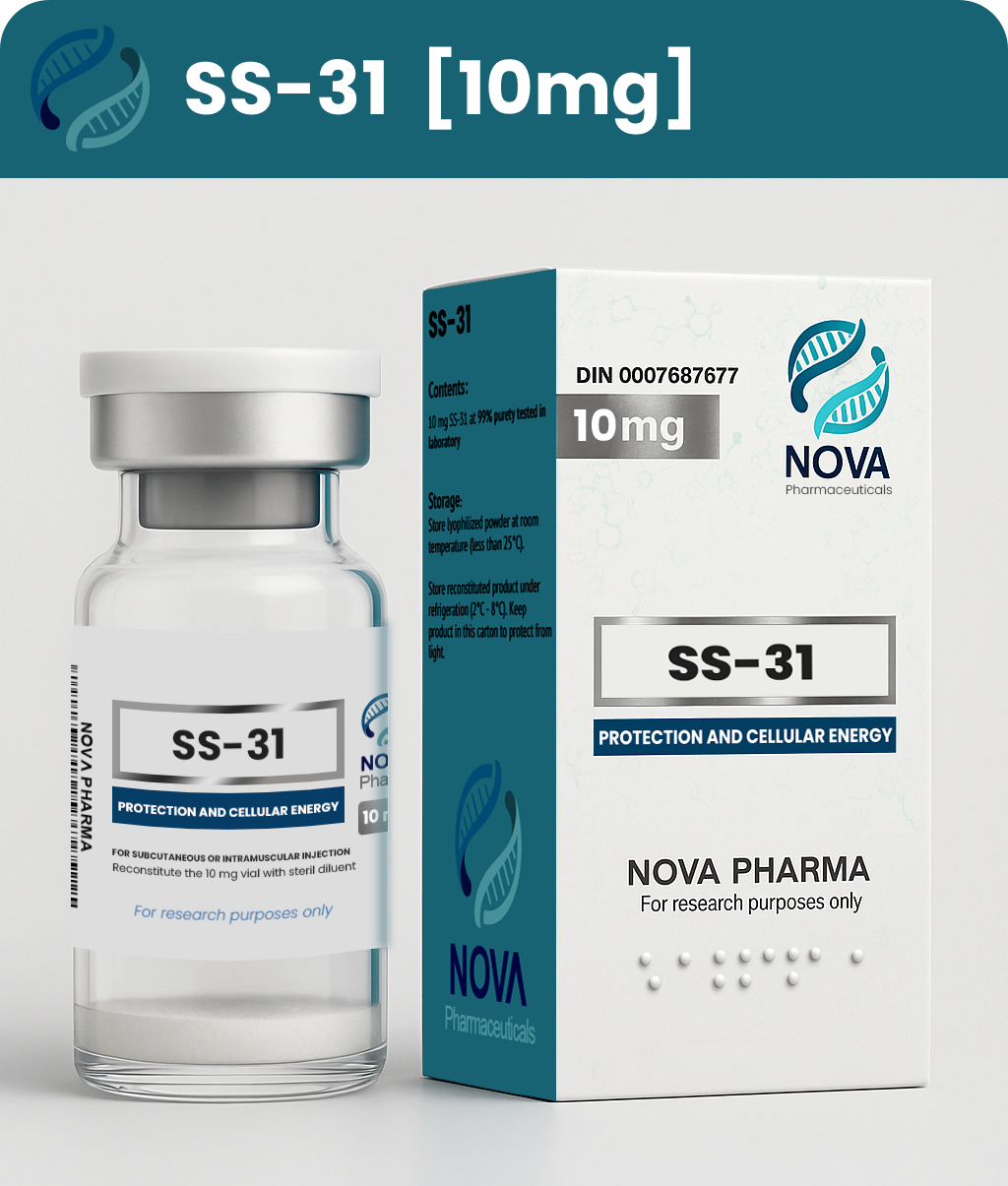
SS-31
25mg
Achetez 3+ : 15 % de rabais
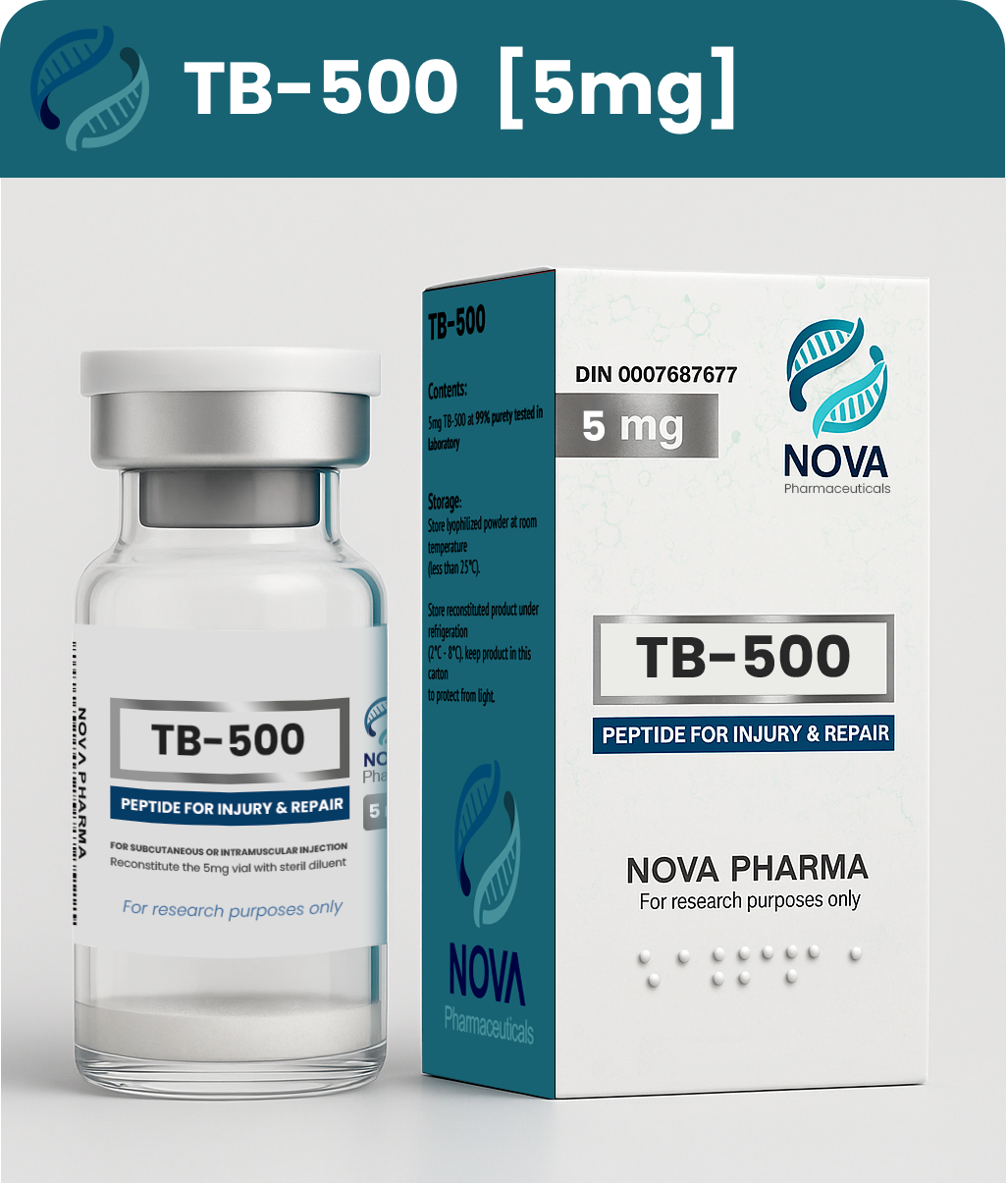
TB-500 5mg
5mg
Achetez 3+ : 15 % de rabais
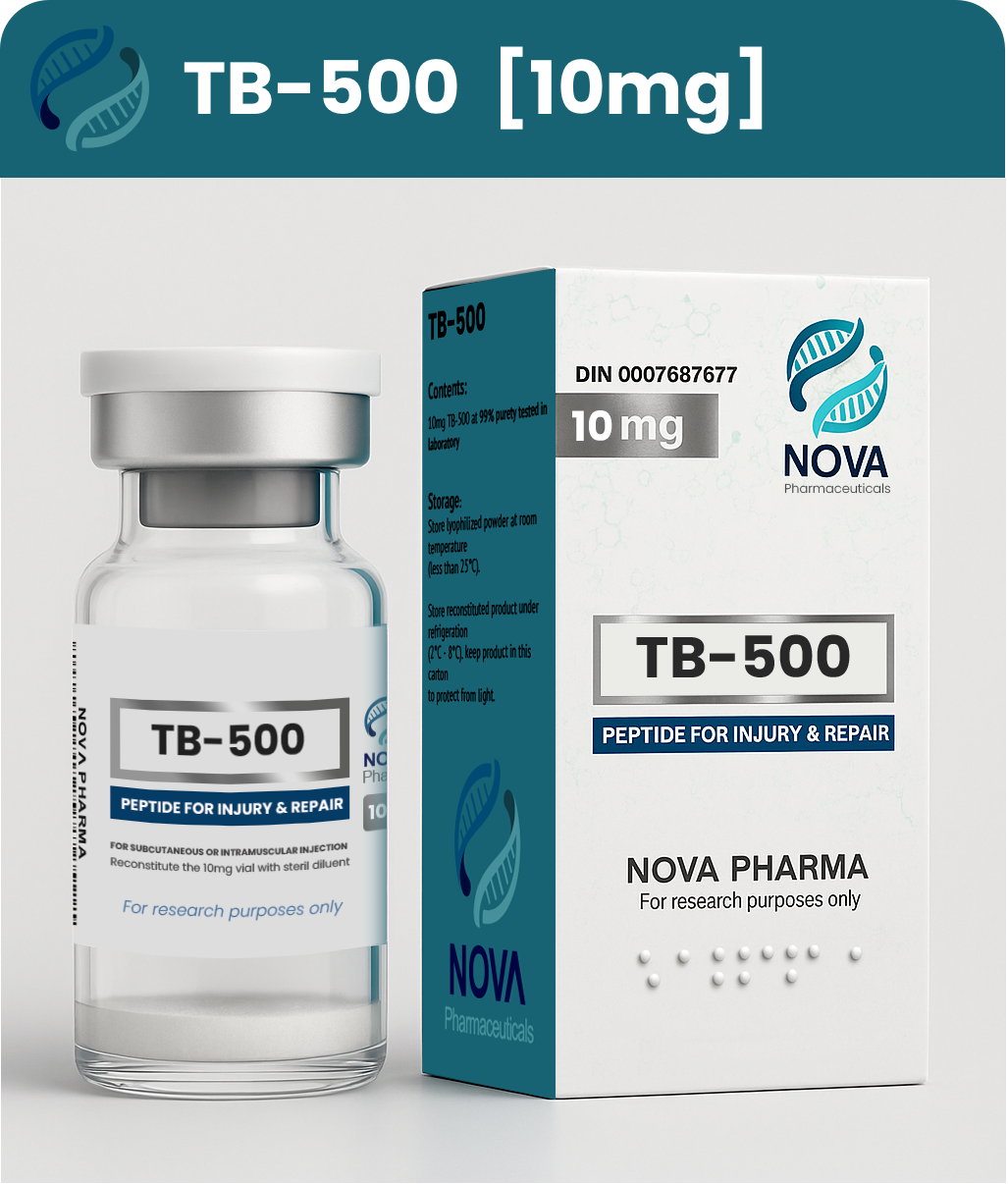
TB-500 10mg
10mg
Achetez 3+ : 15 % de rabais
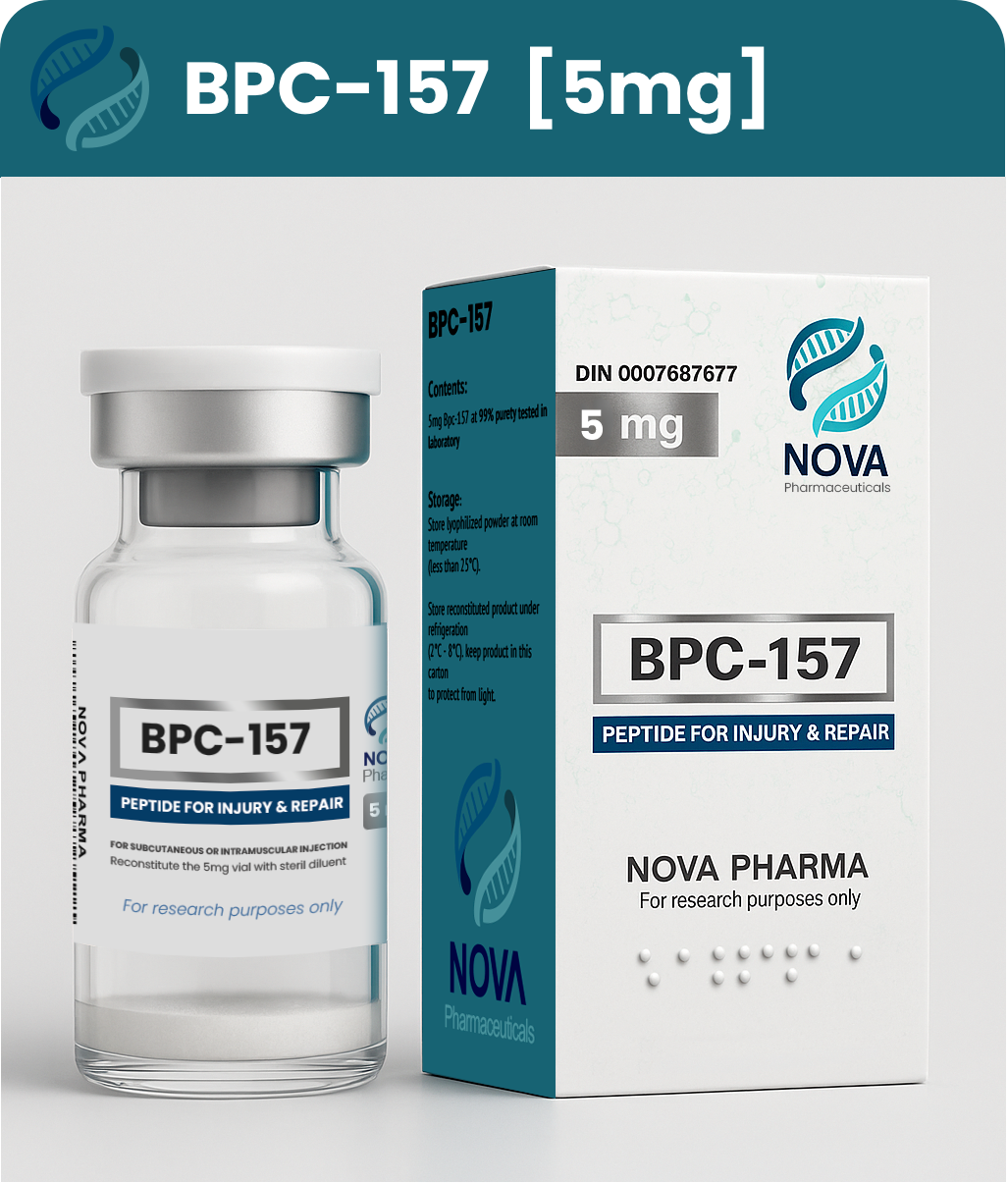
BPC-157 5mg
5mg
Achetez 3+ : 15 % de rabais