GHK-Cu
Peptide de cuivre — régénération puissante de la peau et des tissus. Anti-âge, cicatrisation et synthèse du collagène.
Composé
En un coup d'œil
En un coup d'œil
- Concentration
- 50mg
- Pureté
- 99,5 %+
- Voie
- Injection sous-cutanée
- Conservation
- Lyophilisé : température ambiante, dessiccateur. Reconstitué : 2–8 °C, ≤30 jours.
GHK-Cu (glycyl-L-histidyl-L-lysine copper complex) is a naturally occurring tripeptide-copper complex first identified in human plasma by Dr. Loren Pickart in 1973. It consists of three amino acids — glycine, histidine, and lysine — with a high binding affinity for copper(II) ions. GHK-Cu is present in human plasma at approximately 200ng/ml in young adults, but its concentration declines significantly with age, dropping to approximately 80ng/ml by age 60. This age-related decline correlates directly with the progressive deterioration of tissue repair capacity, skin quality, and wound healing rates.
At the molecular level, GHK-Cu is a gene expression modulator of remarkable breadth. Genome-wide studies have identified over 4,000 genes whose expression is significantly altered by GHK-Cu. It upregulates genes involved in collagen synthesis (types I, III, and V), glycosaminoglycan production, decorin expression, and metalloproteinase inhibitors (TIMPs) while simultaneously downregulating inflammatory mediators and pro-fibrotic signals. The copper ion is essential: it serves as a cofactor for lysyl oxidase, the enzyme responsible for collagen and elastin crosslinking, and for superoxide dismutase, a critical antioxidant enzyme. GHK-Cu also stimulates fibroblast proliferation, promotes angiogenesis, and recruits immune cells to wound sites in a coordinated manner that promotes regenerative healing over scar formation.
Research has documented GHK-Cu's effects across skin rejuvenation, wound healing, hair follicle stimulation, lung tissue repair, and bone regeneration. In dermatological research, it has demonstrated increases in skin thickness, density, and elasticity comparable to retinoic acid but without the irritation. It promotes production of both collagen and the dermal matrix components (proteoglycans, glycosaminoglycans) that give skin its structural hydration. Studies in wound healing models show accelerated closure rates, increased angiogenesis, and reduced scarring. Its antioxidant properties — both direct (SOD upregulation) and indirect (free radical scavenging) — position it as one of the most comprehensive anti-aging peptides available to researchers.
GHK-Cu is ideally suited for researchers investigating dermal regeneration, wound healing acceleration, anti-aging interventions, post-procedure skin recovery, and hair regrowth. It is one of the few peptides with robust research support for both injectable (systemic) and topical (local) administration routes.
The 50mg vial offers substantial supply for extended protocols. For injection research, reconstitute with bacteriostatic water and administer subcutaneously at 1-3mg per day. For topical research applications, GHK-Cu can be incorporated into carrier creams at 0.01-1% concentration. Reconstituted solution should be stored at 2-8C. GHK-Cu has a relatively short plasma half-life, supporting daily administration for injectable protocols. The copper complex is stable in lyophilized form at room temperature but should be refrigerated for long-term storage.
GHK-Cu is supplied as a lyophilized (freeze-dried) powder and must be reconstituted with bacteriostatic water (BAC water) before use in a research setting.
- Clean the BAC water vial stopper and the peptide vial stopper with an alcohol swab. Allow to dry.
- Draw the required volume of BAC water into a sterile syringe (typically 1–3 mL depending on target concentration).
- Angle the needle so the water runs down the inside wall of the peptide vial. Avoid dispensing directly onto the powder.
- Do not shake. Gently swirl or roll until fully dissolved. Vigorous shaking can denature peptides.
- Refrigerate reconstituted solution at 2–8°C. Most reconstituted peptides are stable 14–30 days depending on compound.
Target concentration determines drawing volume. For dosing math, consult the dosing math guide.
Vérification indépendante en laboratoire
Avis de recherche
Pour usage de recherche et de laboratoire uniquement. Non destiné à la consommation humaine ou vétérinaire. Novo Pharma vend à des chercheurs qualifiés majeurs et expédie uniquement aux adresses canadiennes. Voir avis de non-responsabilité et conditions.
Lire la recherche
Articles de référence du laboratoire qui examinent ce composé.
best of
Meilleurs peptides anti-âge et longévité 2026 : le classement basé sur la science
Le classement définitif des peptides anti-âge pour 2026. Epitalon, SS-31, GHK-Cu, NAD+ et CJC+Ipamorelin — classés par mécanisme de vieillissement ciblé. Stacks de longévité basés sur la science avec analyses de coûts.
best of
Meilleurs peptides pour la guérison et la récupération 2026 : classés par type de blessure
Découvrez les meilleurs peptides pour la guérison classés par type de blessure. BPC-157, TB-500 et protocoles ciblés pour les tendons, muscles, intestins, articulations, nerfs et la récupération post-chirurgicale en 2026.
best of
Meilleurs Peptides pour la Croissance des Cheveux 2026 : GHK-Cu, Thymulin et Plus
Meilleurs peptides pour la croissance des cheveux en 2026 : GHK-Cu, Thymulin, PTD-DBM et TB-500 classés par preuves. Protocoles de repousse, prévention et approches combinées.
Composés similaires.
Voir tous les Peptides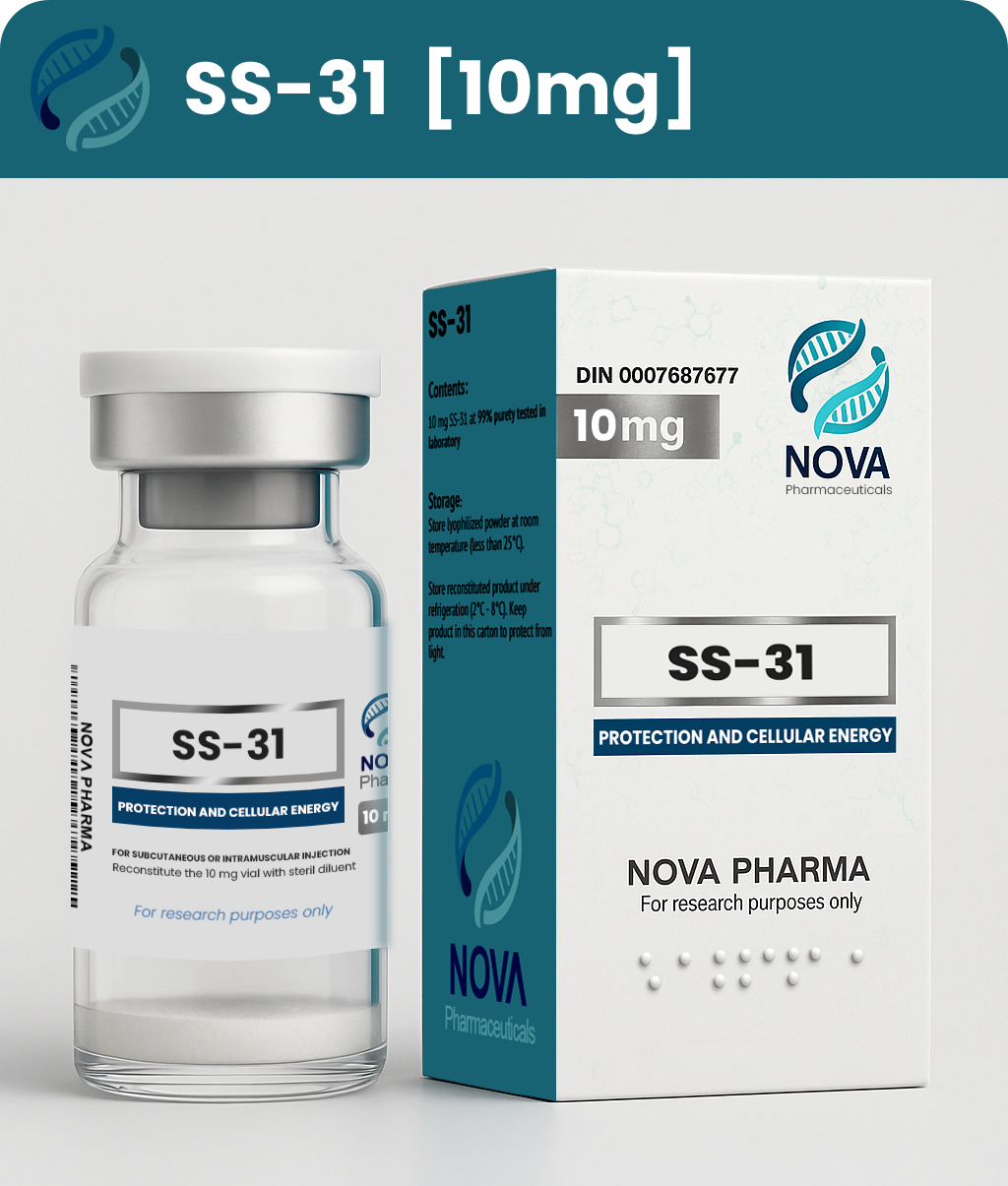
SS-31
25mg
Achetez 3+ : 15 % de rabais
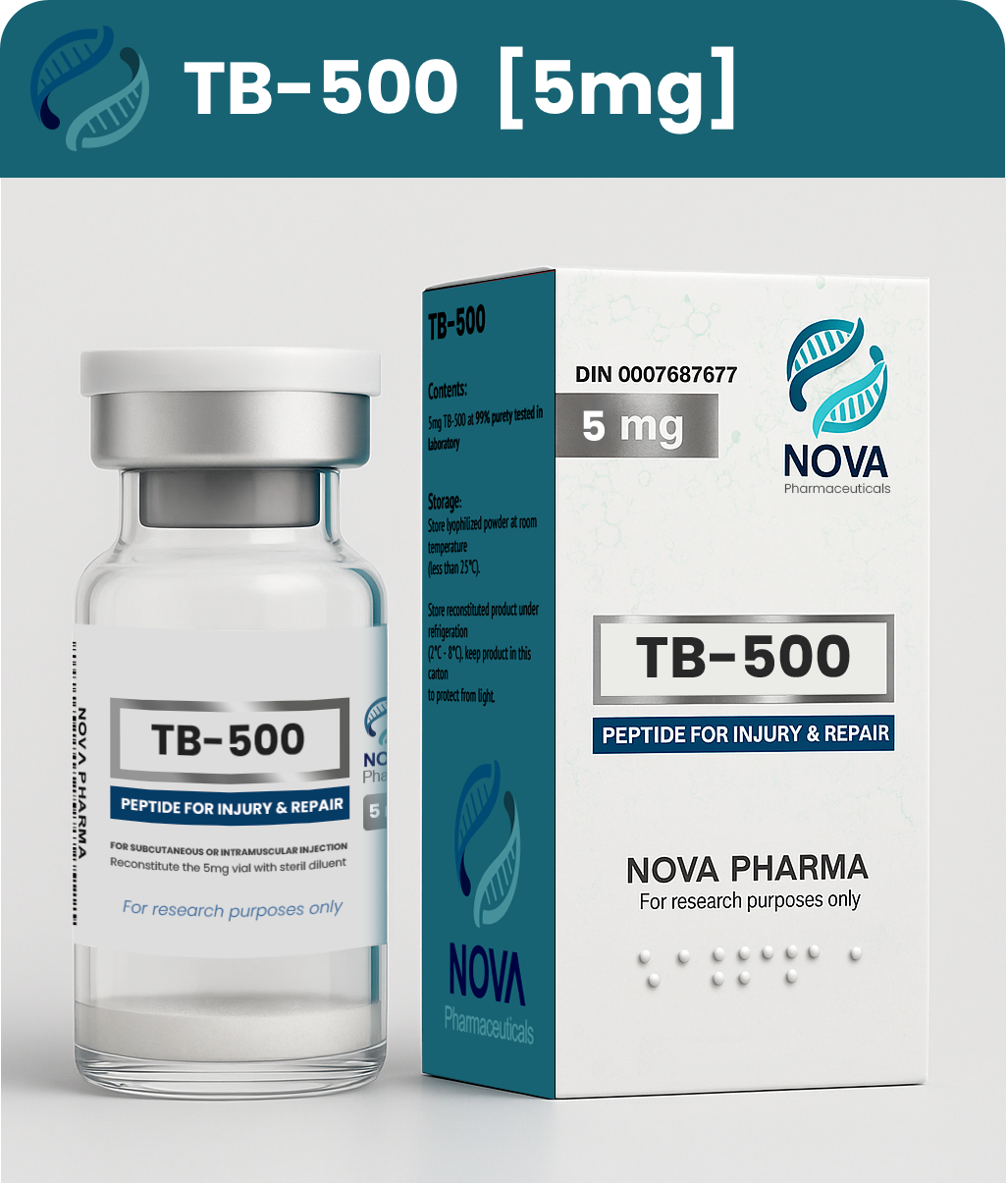
TB-500 5mg
5mg
Achetez 3+ : 15 % de rabais
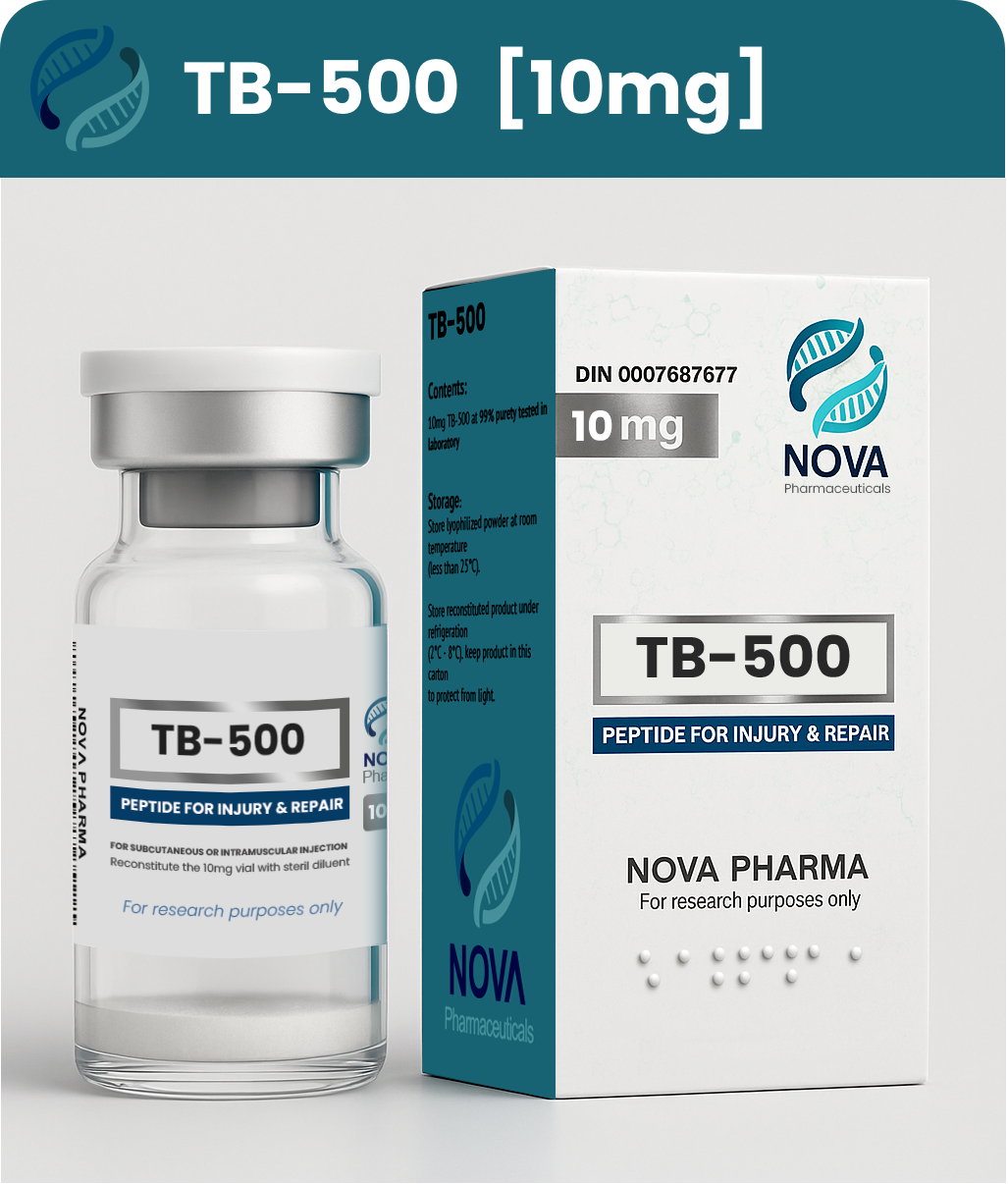
TB-500 10mg
10mg
Achetez 3+ : 15 % de rabais
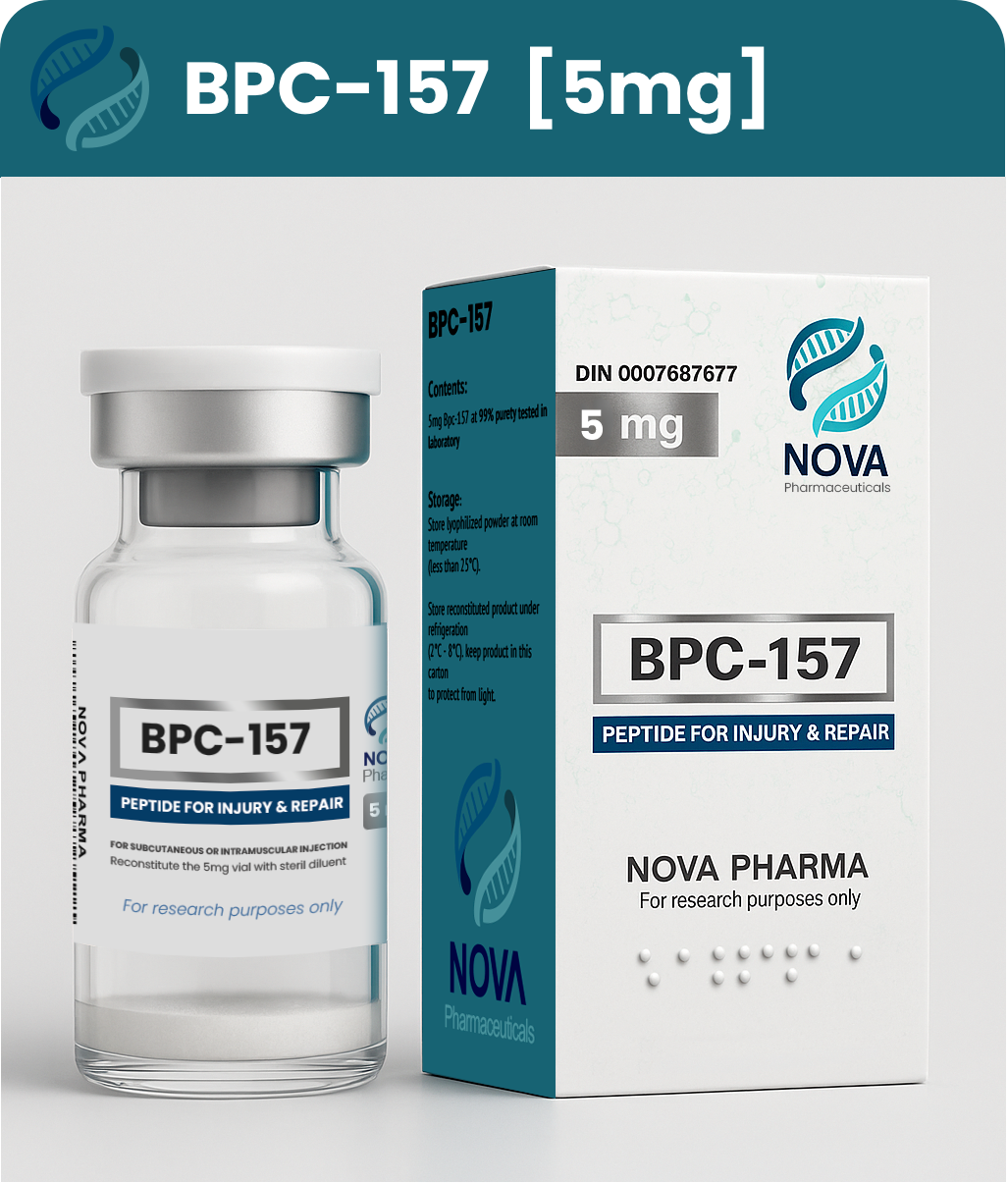
BPC-157 5mg
5mg
Achetez 3+ : 15 % de rabais