DSIP
Delta Sleep-Inducing Peptide. Favorise un sommeil profond et réparateur et normalise les rythmes de sommeil perturbés.
Composé
En un coup d'œil
En un coup d'œil
- Concentration
- 5mg
- Pureté
- 99,5 %+
- Voie
- Injection sous-cutanée
- Conservation
- Lyophilisé : température ambiante, dessiccateur. Reconstitué : 2–8 °C, ≤30 jours.
DSIP (Delta Sleep-Inducing Peptide) is a naturally occurring nonapeptide (Trp-Ala-Gly-Gly-Asp-Ala-Ser-Gly-Glu) first isolated from the cerebral venous blood of rabbits during electrically induced slow-wave sleep in 1977 by Swiss researchers Schoenenberger and Monnier. Despite its name suggesting a simple sedative, DSIP functions as a complex sleep architecture modulator — it does not induce unconsciousness but rather normalizes disrupted sleep patterns and increases the proportion of time spent in restorative delta-wave (stage 3 NREM) sleep, the phase during which growth hormone secretion peaks, tissue repair occurs, and memory consolidation is most active.
DSIP's mechanism of action remains incompletely characterized but involves modulation of multiple neurotransmitter systems. It enhances GABAergic and serotonergic signaling while modulating glutamatergic activity, shifting the excitatory/inhibitory balance in favor of sleep-promoting pathways. DSIP also suppresses the release of corticotropin-releasing hormone (CRH) and reduces cortisol levels — directly addressing the hyperarousal and HPA axis activation that underlies most cases of disrupted sleep. Additional mechanisms include modulation of the endogenous opioid system (met-enkephalin and beta-endorphin), which contributes to its analgesic and anxiolytic effects. Importantly, DSIP appears to reset circadian oscillators rather than simply promoting acute sedation, leading to sustained improvements in sleep-wake cycling that persist beyond the dosing period.
Research on DSIP documents improvements in sleep onset latency, total sleep time, sleep efficiency, and particularly in the duration and quality of slow-wave (delta) sleep. Studies in subjects with disrupted sleep patterns — including those with chronic insomnia, shift workers, and individuals under chronic stress — show normalization of sleep architecture without the cognitive impairment, next-day grogginess, or dependence that characterize pharmacological sedatives. DSIP has also demonstrated effects on stress resilience, pain perception, and hormonal regulation, with studies showing normalization of cortisol rhythms and improved growth hormone secretion patterns.
DSIP is suited for researchers investigating sleep quality optimization, circadian rhythm restoration, HPA axis normalization, and the neuroendocrine effects of sleep architecture. It is particularly relevant for research protocols where sleep quality impacts other outcomes — recovery, hormonal balance, cognitive performance, and immune function.
Reconstitute the 5mg vial with 1-2ml bacteriostatic water. Administer via subcutaneous or intravenous injection, typically 100-300mcg per dose, administered 30-60 minutes before desired sleep onset. DSIP has a plasma half-life of approximately 15-25 minutes, but its effects on sleep architecture persist through the night due to its circadian-resetting mechanism. Protocols typically run 7-14 consecutive nights, after which researchers often observe sustained improvement in sleep patterns that persists for weeks. Store at 2-8C after reconstitution. DSIP does not produce tolerance, dependence, or rebound insomnia in the published literature.
DSIP is supplied as a lyophilized (freeze-dried) powder and must be reconstituted with bacteriostatic water (BAC water) before use in a research setting.
- Clean the BAC water vial stopper and the peptide vial stopper with an alcohol swab. Allow to dry.
- Draw the required volume of BAC water into a sterile syringe (typically 1–3 mL depending on target concentration).
- Angle the needle so the water runs down the inside wall of the peptide vial. Avoid dispensing directly onto the powder.
- Do not shake. Gently swirl or roll until fully dissolved. Vigorous shaking can denature peptides.
- Refrigerate reconstituted solution at 2–8°C. Most reconstituted peptides are stable 14–30 days depending on compound.
Target concentration determines drawing volume. For dosing math, consult the dosing math guide.
Vérification indépendante en laboratoire
Avis de recherche
Pour usage de recherche et de laboratoire uniquement. Non destiné à la consommation humaine ou vétérinaire. Novo Pharma vend à des chercheurs qualifiés majeurs et expédie uniquement aux adresses canadiennes. Voir avis de non-responsabilité et conditions.
Lire la recherche
Articles de référence du laboratoire qui examinent ce composé.
best of
Meilleurs peptides nootropiques 2026 : amélioration cognitive du Semax au Dihexa
Meilleurs peptides nootropiques pour l'amélioration cognitive en 2026. Protocoles de Semax, Dihexa, Selank et DSIP pour la concentration, la mémoire, le BDNF et la santé cérébrale à long terme.
best of
Meilleurs Peptides pour le Sommeil 2026 : Sommeil Profond Sans Dépendance
Meilleurs peptides pour le sommeil en 2026 : DSIP, MK-677, Ipamorelin et plus, classés par preuves de sommeil profond. Aucune dépendance, aucune somnolence — un vrai sommeil réparateur.
compound guides
DSIP (Peptide inducteur du sommeil delta) : Un meilleur sommeil sans sédation
Le peptide DSIP normalise l'architecture du sommeil sans sédation. Découvrez comment le peptide inducteur du sommeil delta améliore le sommeil profond, réduit le cortisol et les protocoles de dosage appropriés.
Composés similaires.
Voir tous les Peptides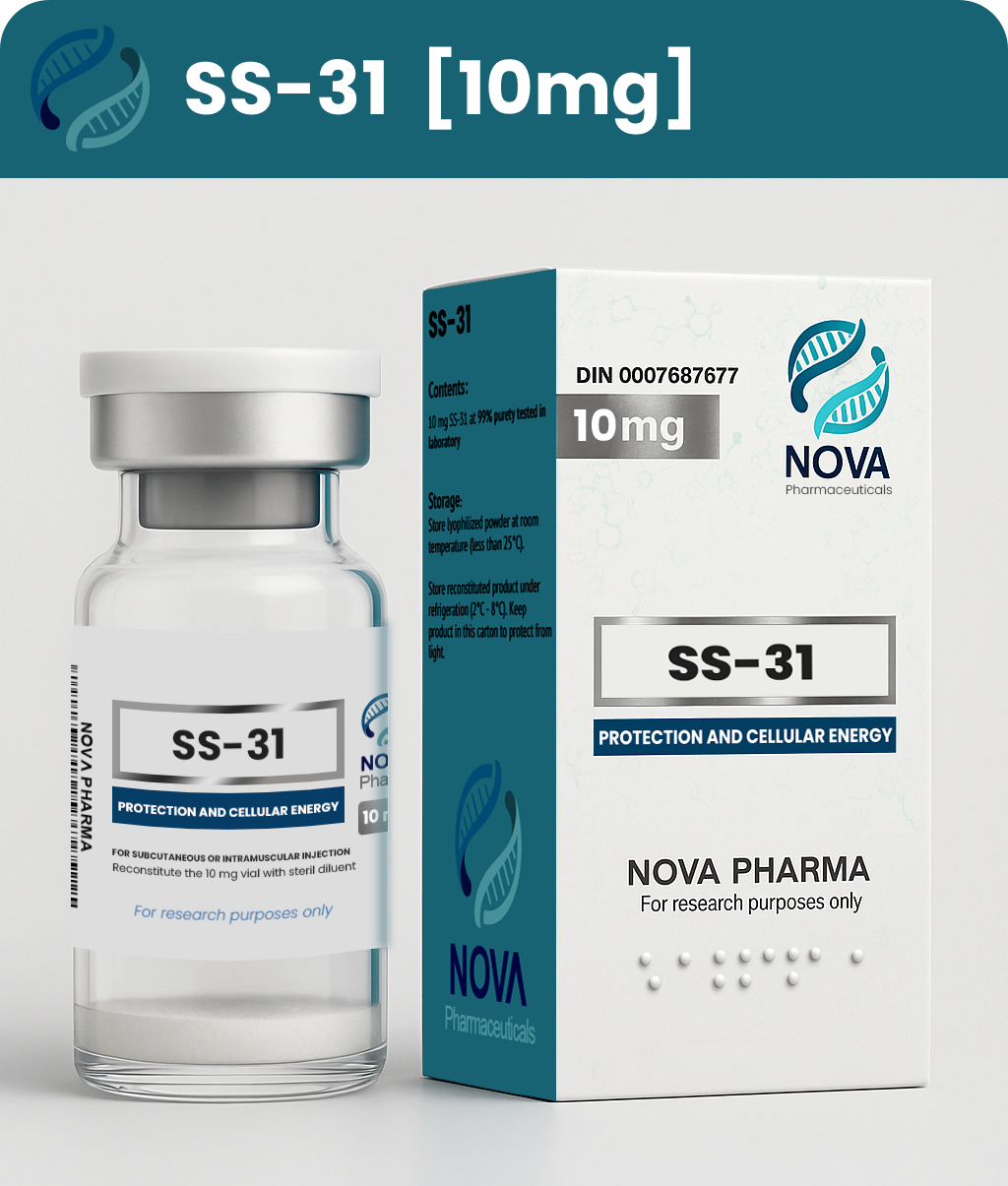
SS-31
25mg
Achetez 3+ : 15 % de rabais
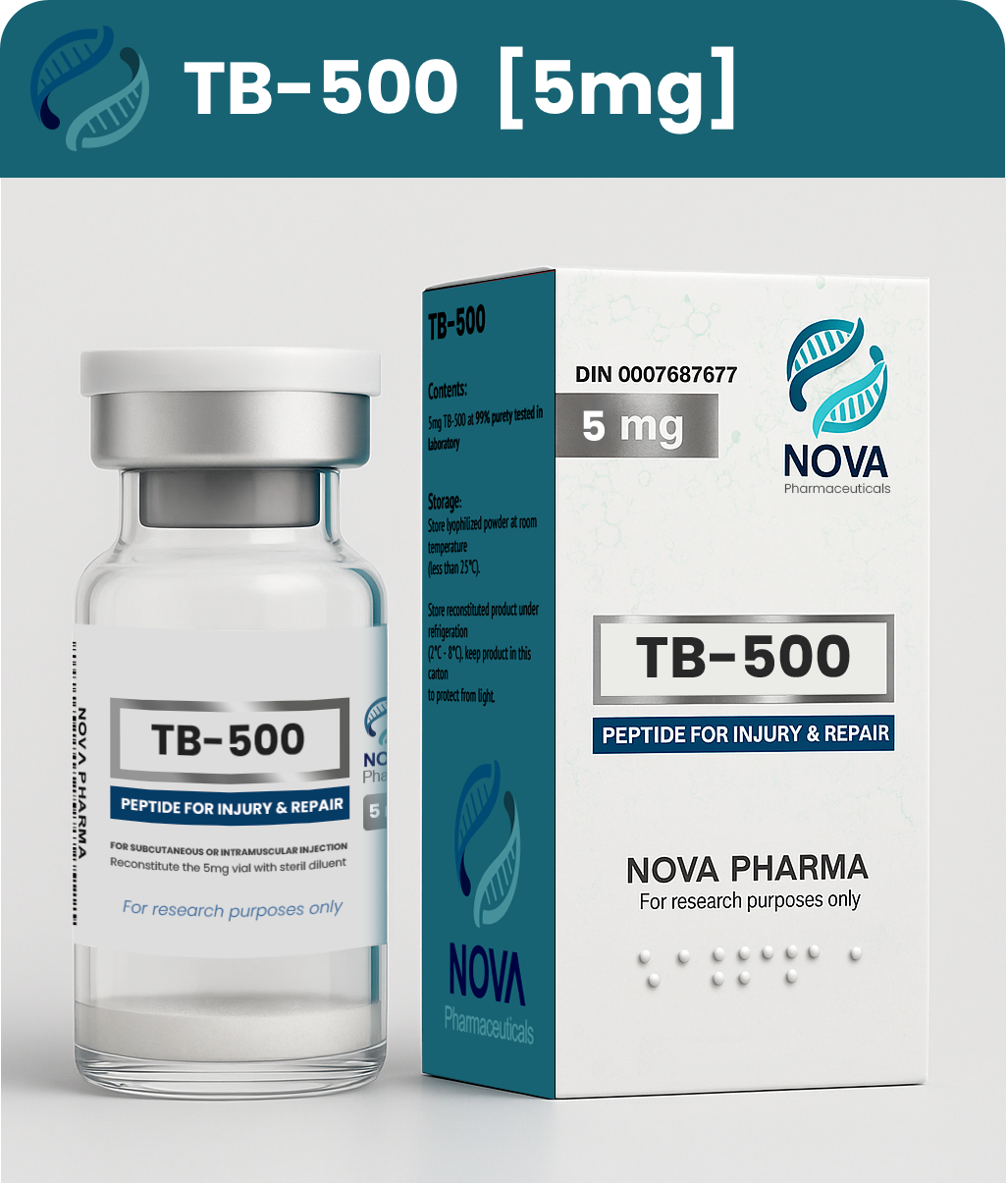
TB-500 5mg
5mg
Achetez 3+ : 15 % de rabais
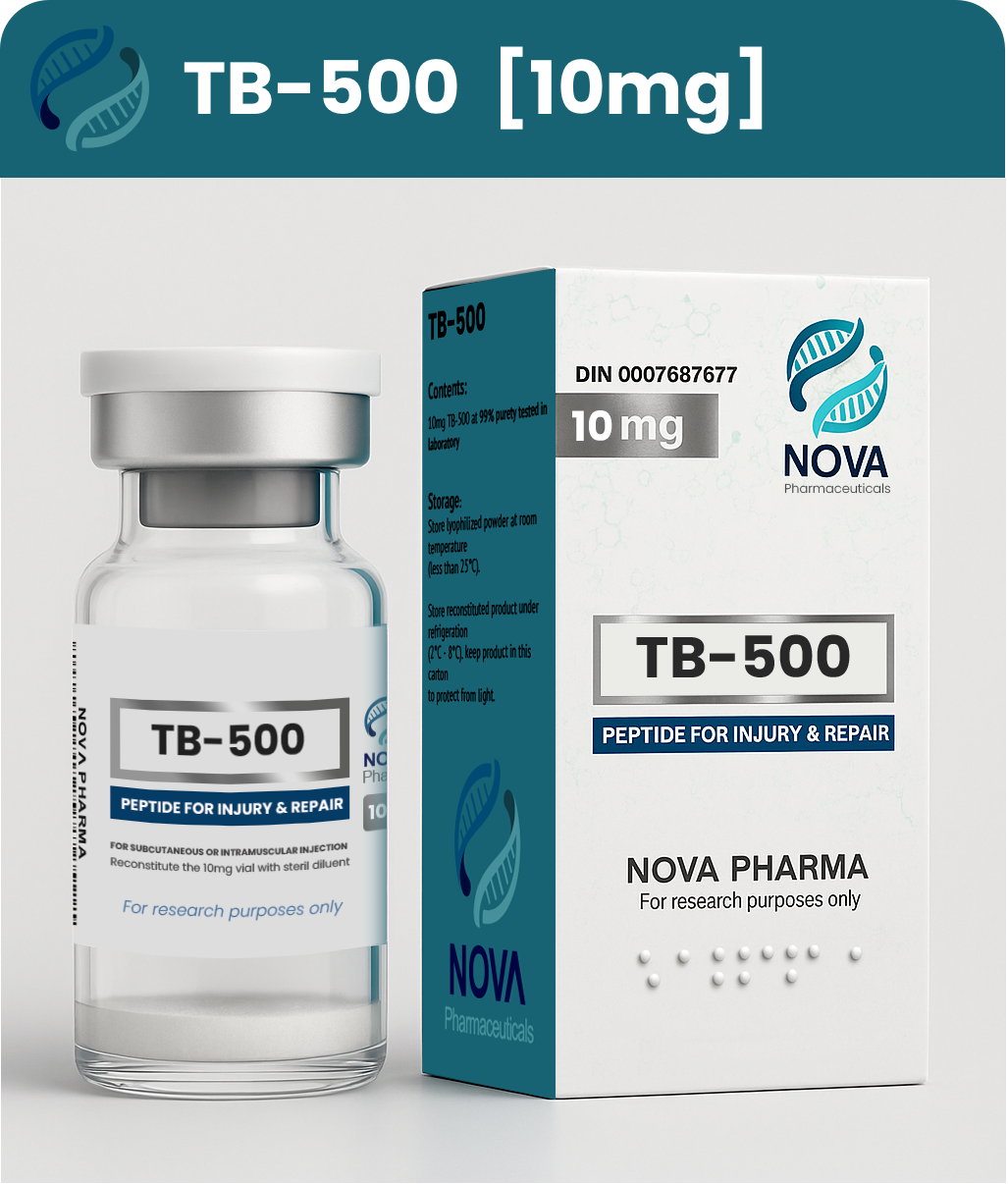
TB-500 10mg
10mg
Achetez 3+ : 15 % de rabais
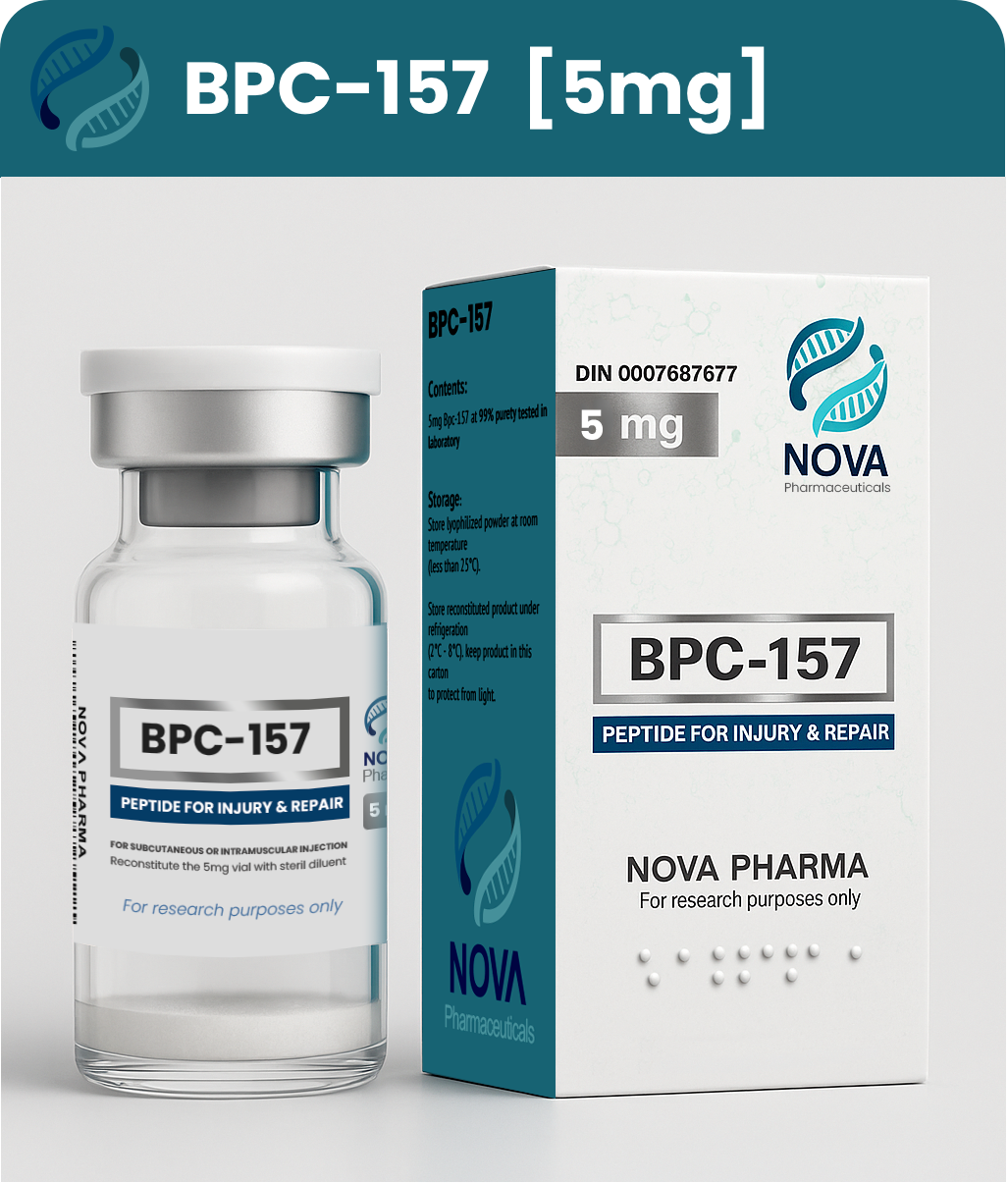
BPC-157 5mg
5mg
Achetez 3+ : 15 % de rabais