Dihexa
Peptide d'amélioration cognitive — 10 millions de fois plus puissant que le BDNF. Favorise la synaptogenèse et la formation de la mémoire.
Composé
En un coup d'œil
En un coup d'œil
- Concentration
- 10mg
- Pureté
- 99,5 %+
- Voie
- Injection sous-cutanée
- Conservation
- Lyophilisé : température ambiante, dessiccateur. Reconstitué : 2–8 °C, ≤30 jours.
Dihexa (N-hexanoic-Tyr-Ile-(6) aminohexanoic amide) is a synthetic oligopeptide derived from angiotensin IV, developed at Washington State University by Dr. Joseph Harding's research group. Dihexa has generated extraordinary interest in the cognitive research community based on a single defining characteristic: it is approximately 10 million times more potent than BDNF at promoting new synapse formation. This astonishing potency, measured by its ability to drive dendritic spine formation in hippocampal neuron cultures at femtomolar (10^-15 M) concentrations, makes Dihexa the most potent synaptogenic compound ever identified in the published literature.
Dihexa exerts its effects by binding to hepatocyte growth factor (HGF) and potentiating its interaction with the c-Met receptor. The HGF/c-Met pathway is a key driver of synaptogenesis, neuronal survival, and neurite outgrowth in the central nervous system. At sub-picomolar concentrations, Dihexa enhances HGF-mediated dendritic spine formation — the structural basis of synaptic connections. More spines mean more potential synapses, and more synapses mean greater cognitive bandwidth for learning, memory consolidation, and information processing. Dihexa also demonstrates neuroprotective effects: it protects against scopolamine-induced amnesia, improves performance in spatial memory tasks, and preserves cognitive function in models of neurodegeneration.
Research from the Harding laboratory and subsequent investigations demonstrate that Dihexa reverses cognitive deficits in aged animal models, improves spatial learning and memory consolidation, and promotes the formation of new functional neural connections. The compound's ability to cross the blood-brain barrier after peripheral administration (both oral and subcutaneous) distinguishes it from many neuroprotective compounds that require direct CNS delivery. However, the extreme potency of Dihexa also demands caution: uncontrolled synaptogenesis could theoretically have unpredictable effects on neural circuit organization, and long-term safety data remain limited.
Dihexa is suited for advanced researchers investigating synaptogenesis, cognitive repair, neurodegenerative processes, and the HGF/c-Met signaling axis. Given its extreme potency, precise dosing and careful protocol design are essential.
Reconstitute the 10mg vial with 2ml bacteriostatic water (yielding 5mg/ml). Dihexa can be administered subcutaneously, orally (dissolved in solution), or intranasally. Typical research dosing ranges from 10-40mg per day orally or 5-20mg subcutaneously — the oral bioavailability is sufficient for many research applications. Despite its femtomolar in vitro potency, in vivo dosing requires milligram quantities due to distribution, metabolism, and blood-brain barrier transit. Store at 2-8C after reconstitution. Dihexa has a half-life of approximately 2-4 hours. Given the limited long-term safety data, most research protocols are limited to 4-8 weeks.
---
## Longevity & Anti-Aging
Dihexa is supplied as a lyophilized (freeze-dried) powder and must be reconstituted with bacteriostatic water (BAC water) before use in a research setting.
- Clean the BAC water vial stopper and the peptide vial stopper with an alcohol swab. Allow to dry.
- Draw the required volume of BAC water into a sterile syringe (typically 1–3 mL depending on target concentration).
- Angle the needle so the water runs down the inside wall of the peptide vial. Avoid dispensing directly onto the powder.
- Do not shake. Gently swirl or roll until fully dissolved. Vigorous shaking can denature peptides.
- Refrigerate reconstituted solution at 2–8°C. Most reconstituted peptides are stable 14–30 days depending on compound.
Target concentration determines drawing volume. For dosing math, consult the dosing math guide.
Vérification indépendante en laboratoire
Avis de recherche
Pour usage de recherche et de laboratoire uniquement. Non destiné à la consommation humaine ou vétérinaire. Novo Pharma vend à des chercheurs qualifiés majeurs et expédie uniquement aux adresses canadiennes. Voir avis de non-responsabilité et conditions.
Lire la recherche
Articles de référence du laboratoire qui examinent ce composé.
best of
Meilleurs peptides nootropiques 2026 : amélioration cognitive du Semax au Dihexa
Meilleurs peptides nootropiques pour l'amélioration cognitive en 2026. Protocoles de Semax, Dihexa, Selank et DSIP pour la concentration, la mémoire, le BDNF et la santé cérébrale à long terme.
compound guides
Dihexa : Le peptide cognitif 10 millions de fois plus puissant que le BDNF
Le peptide Dihexa est un analogue de l'angiotensine IV qui améliore les fonctions cognitives et s'avère 10 millions de fois plus puissant que le BDNF. Découvrez le dosage, les mécanismes et la sécurité.
Composés similaires.
Voir tous les Peptides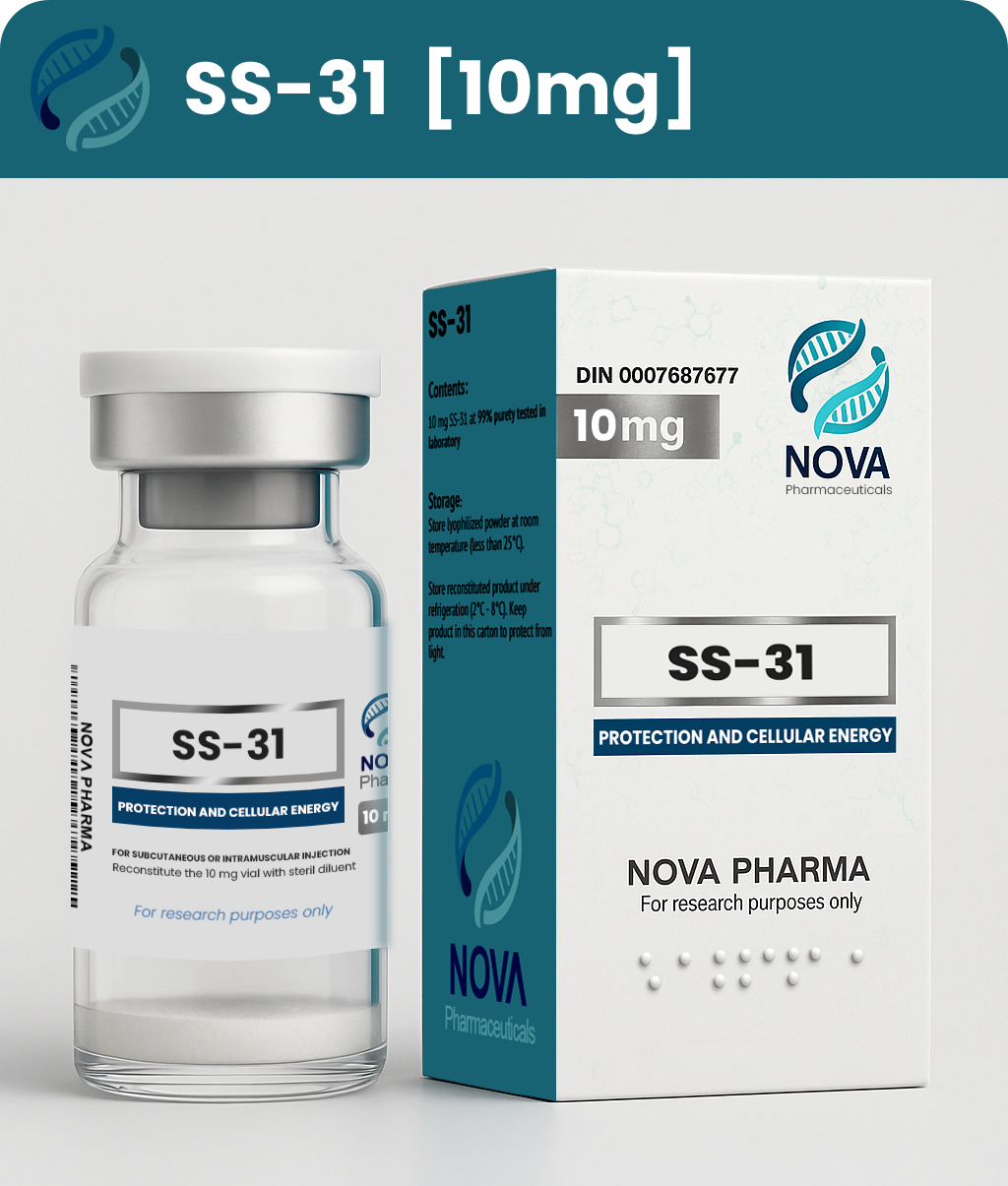
SS-31
25mg
Achetez 3+ : 15 % de rabais
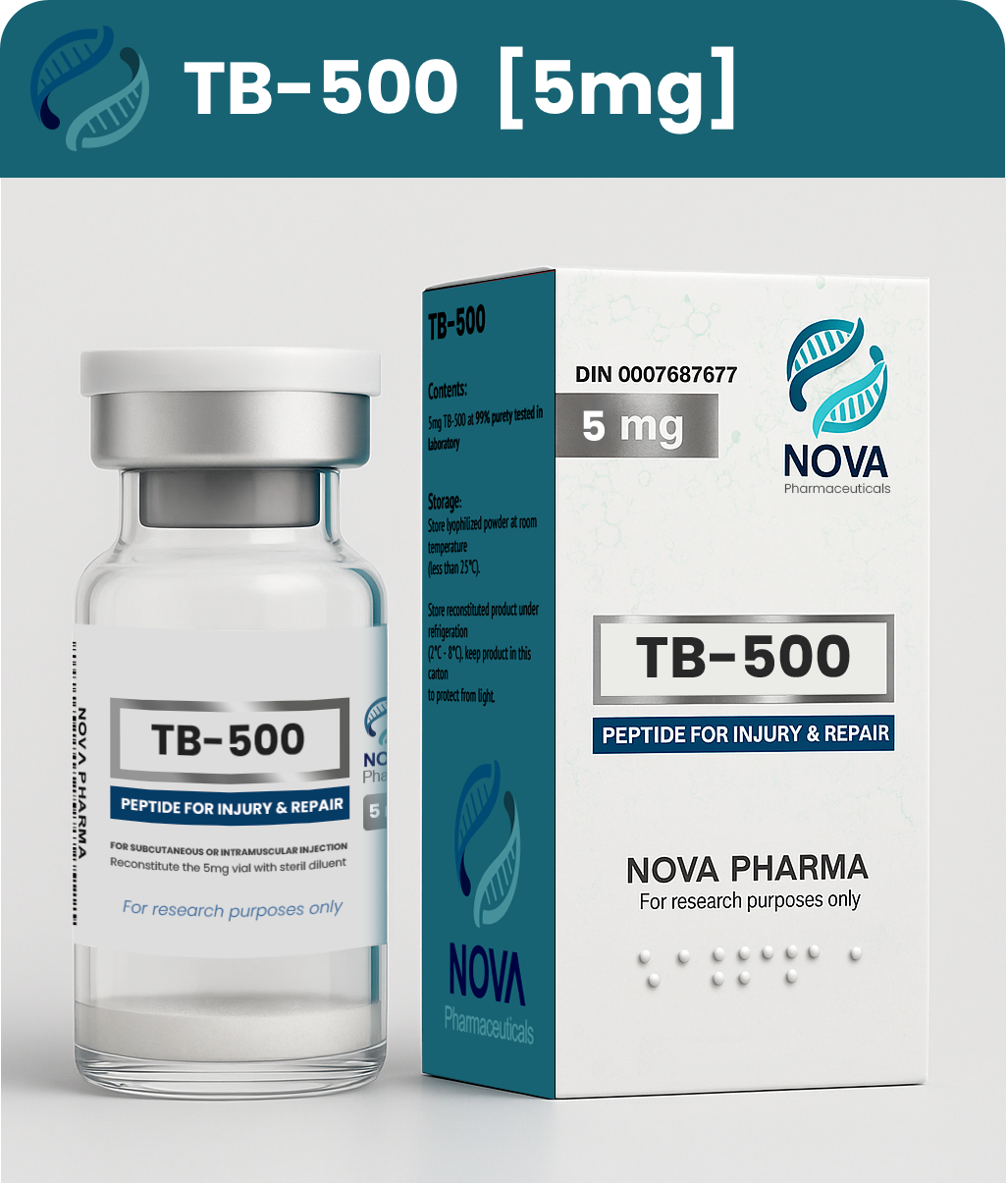
TB-500 5mg
5mg
Achetez 3+ : 15 % de rabais
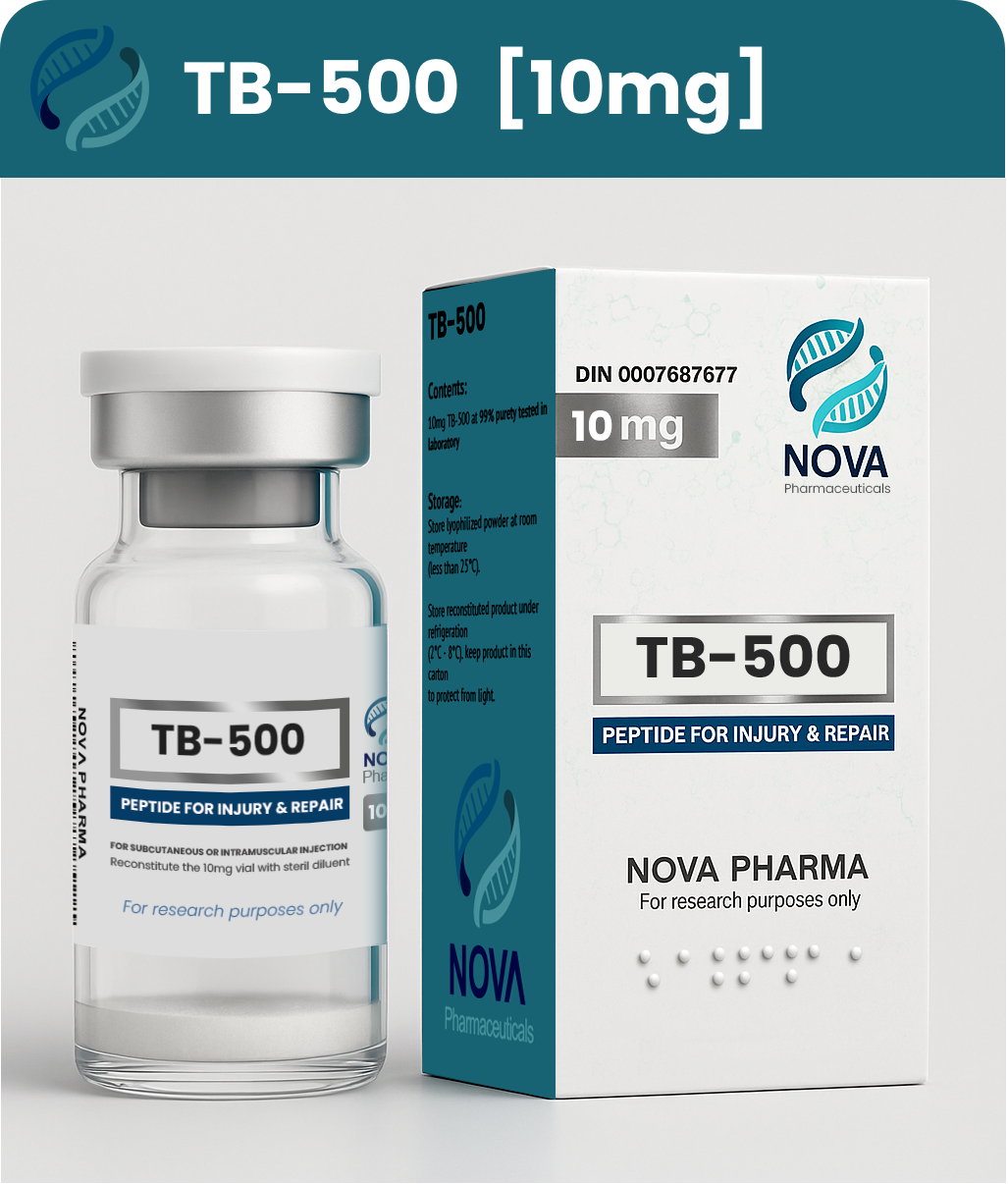
TB-500 10mg
10mg
Achetez 3+ : 15 % de rabais
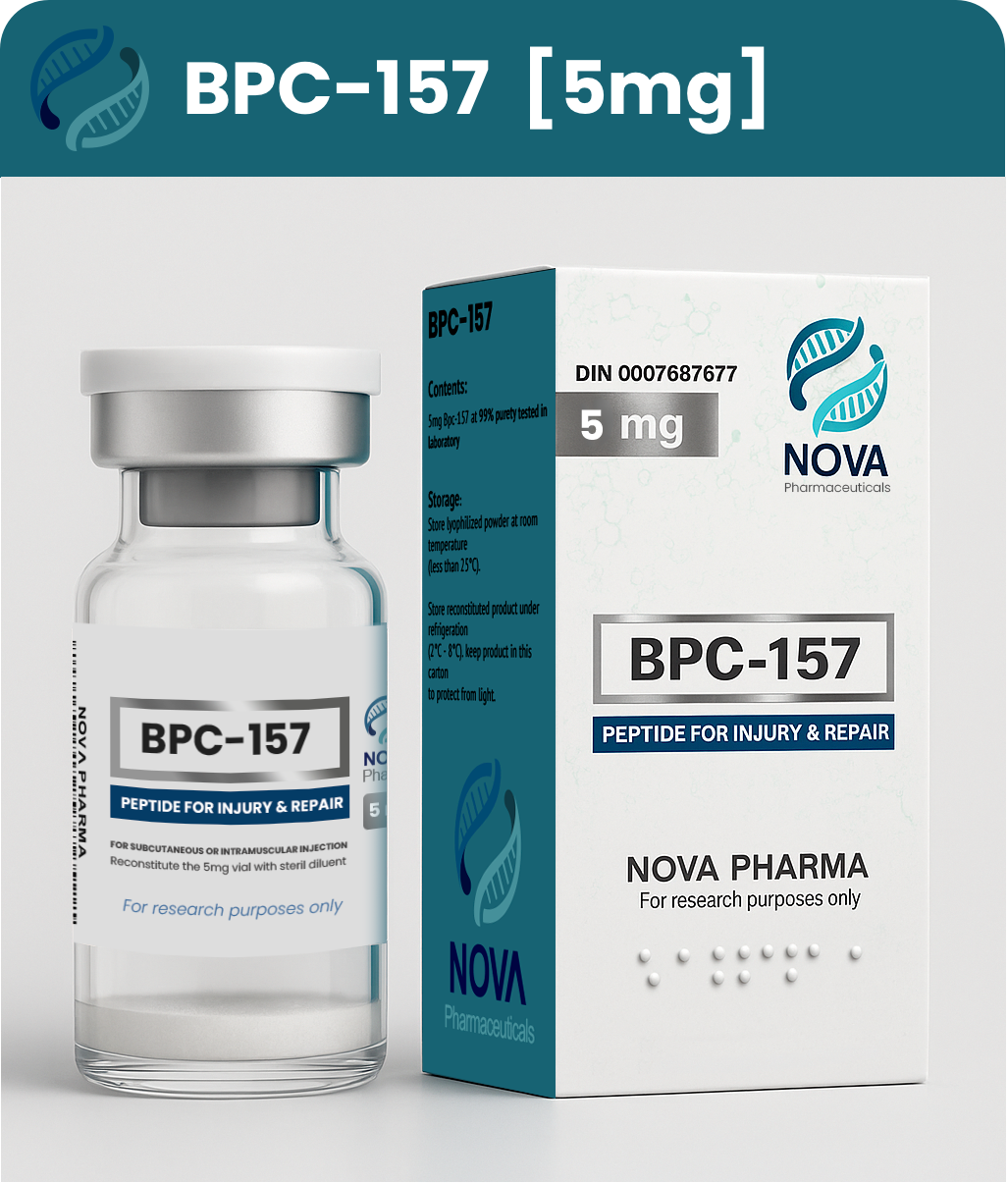
BPC-157 5mg
5mg
Achetez 3+ : 15 % de rabais