Cardarine
GW-501516 — agoniste PPARδ pour une endurance extrême. Améliore radicalement la performance cardiovasculaire et l'oxydation des graisses.
Composé
En un coup d'œil
En un coup d'œil
- Concentration
- 20mg/ml
- Pureté
- 99 %+ (vérifié par HPLC)
- Voie
- Orale ou sublinguale
- Conservation
- À température ambiante, au sec, à l'abri de la lumière.
Cardarine, designated GW-501516, is a synthetic peroxisome proliferator-activated receptor delta (PPARd) agonist originally developed by GlaxoSmithKline and Ligand Pharmaceuticals in the 1990s. It is not a SARM — it does not bind the androgen receptor or exert any hormonal activity. GW-501516 is a metabolic modulator that targets nuclear receptor pathways governing fatty acid oxidation, mitochondrial biogenesis, and endurance capacity. It is categorized alongside SARMs due to its widespread use in performance research and its complementary metabolic effects.
GW-501516 activates PPARdelta, a nuclear receptor expressed ubiquitously in skeletal muscle, adipose tissue, and liver. Upon activation, PPARd upregulates the transcription of genes involved in fatty acid beta-oxidation (CPT1, ACOX1), mitochondrial uncoupling (UCP3), and oxidative phosphorylation — effectively reprogramming cellular energy metabolism from glycolytic (sugar-burning) to oxidative (fat-burning). In landmark preclinical research published in Cell, GW-501516 administration in sedentary mice increased running endurance by 68% and running distance by 70%, independent of exercise training. It essentially mimics the metabolic adaptations of endurance exercise at the gene expression level.
The research literature positions GW-501516 as the most potent endurance-enhancing compound available. Its effects include dramatic increases in cardiovascular exercise capacity, accelerated fat oxidation during both exercise and rest, reduction of circulating triglycerides and LDL cholesterol, improvement of insulin sensitivity, and preservation of lean mass during caloric deficit. The compound gained notoriety when WADA banned it in 2009, issuing a rare pre-emptive alert to athletes regarding GW-501516's performance-enhancing effects even before it completed clinical development.
Cardarine is appropriate for researchers at any experience level, particularly those focused on endurance performance, cardiovascular metabolic health, and fat loss. Because it has no androgenic activity, it stacks seamlessly with any SARM, anabolic compound, or peptide without interaction concerns. It is a foundational component of cutting stacks, where it accelerates fat oxidation while preserving lean tissue. Common pairings include Ostarine + Cardarine for cutting, or RAD-140 + Cardarine for lean recomposition.
GW-501516 has an elimination half-life of 16–24 hours, supporting once-daily oral dosing. Oral bioavailability is excellent. There is zero testosterone suppression and no PCT requirement. The compound produces no hepatotoxicity, no estrogenic effects, and no significant adverse effects at standard research doses. The primary safety consideration in the literature involves preclinical rodent carcinogenicity findings at doses far exceeding typical research protocols (orders of magnitude higher, for durations equivalent to years of human use). Standard research protocols range from 10–20mg daily for 8–12 weeks.
Dose ranges published in the peptide-research literature vary considerably. Research protocols should be designed by a qualified researcher and use the lowest effective dose consistent with the hypothesis being tested. Half-life determines dosing frequency — shorter half-lives usually require daily dosing, while long-acting analogues tolerate weekly administration.
For compound-specific dose theory, see the half-life dosing math guide and the stacking theory reference.
Vérification indépendante en laboratoire
Avis de recherche
Pour usage de recherche et de laboratoire uniquement. Non destiné à la consommation humaine ou vétérinaire. Novo Pharma vend à des chercheurs qualifiés majeurs et expédie uniquement aux adresses canadiennes. Voir avis de non-responsabilité et conditions.
Lire la recherche
Articles de référence du laboratoire qui examinent ce composé.
best of
Meilleurs SARMs pour la sèche 2026 : classés par perte de graisse et préservation musculaire
Meilleurs SARMs pour la sèche en 2026 classés par perte de graisse et préservation musculaire. Cardarine, Ostarine, S-4, SR-9009 et GW-0742 — avec des stacks pour débutants, intermédiaires et coupes avancées.
best of
Meilleurs SARMs pour Femmes 2026 : Options Sûres Classées par des Athlètes Féminines
Meilleurs SARMs pour femmes en 2026 classés par des athlètes féminines. Ostarine, Cardarine et options sûres avec protocoles de dosage adaptés. Ce qu'il faut utiliser et ce qu'il faut éviter.
compound guides
Cardarine et cancer : séparer les faits du sensationnalisme (analyse des doses)
Composés similaires.
Voir tous les SARMs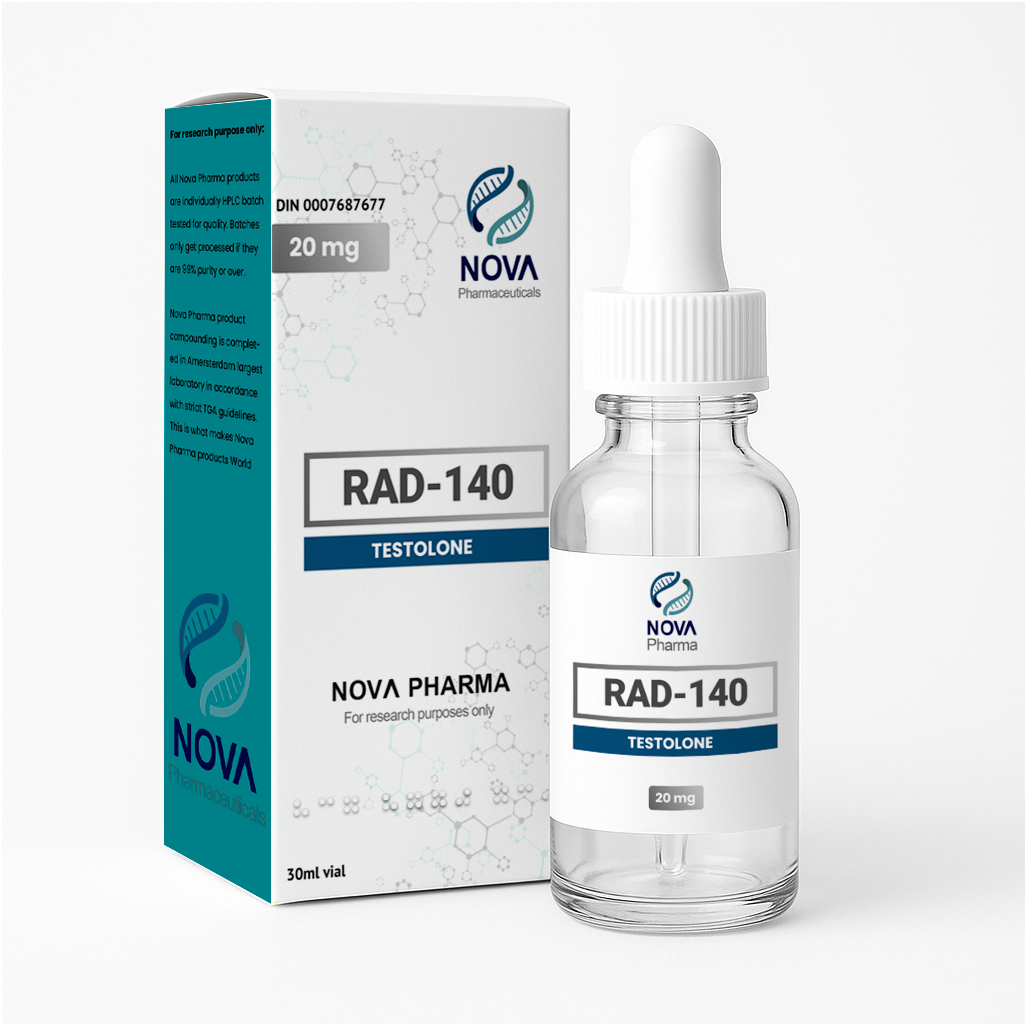
RAD-140
20mg/ml
Achetez 3+ : 15 % de rabais
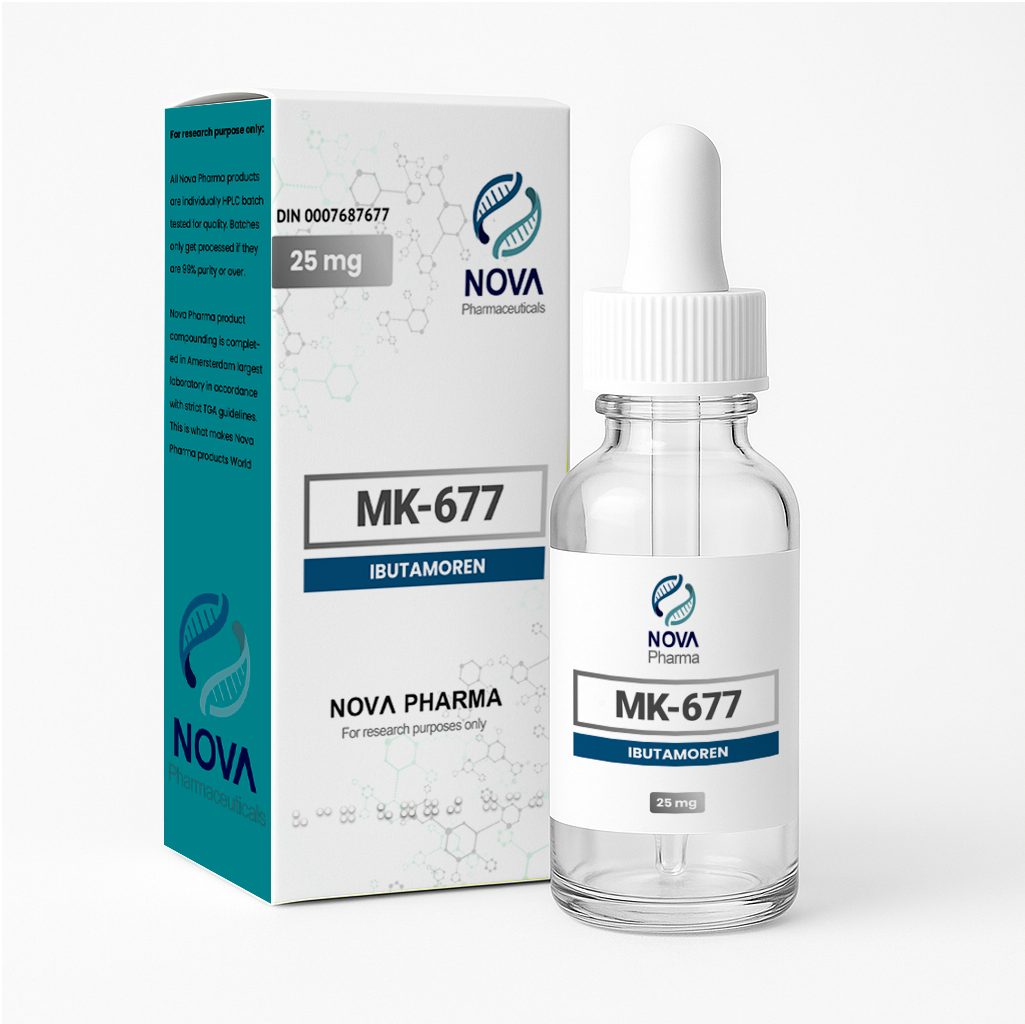
MK-677
25mg/ml
Achetez 3+ : 15 % de rabais
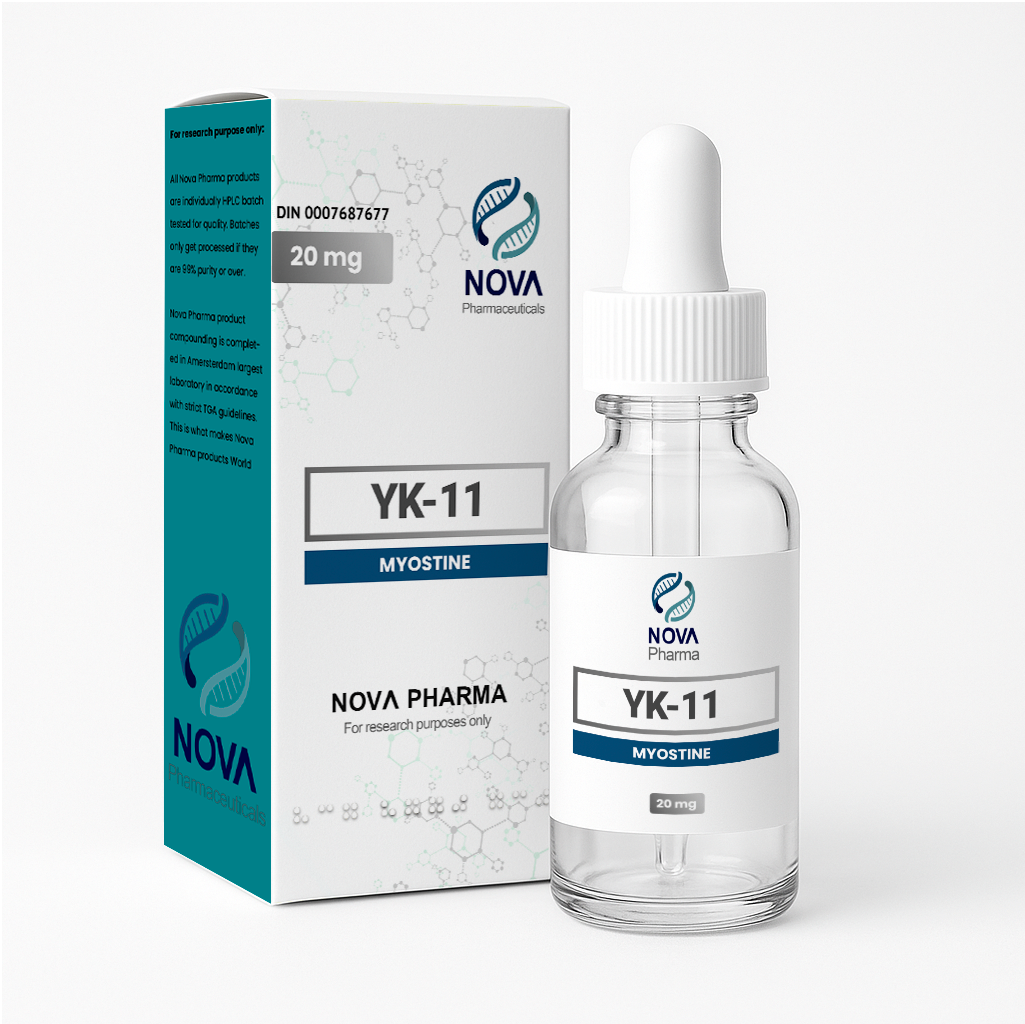
YK-11
20mg/ml
Achetez 3+ : 15 % de rabais
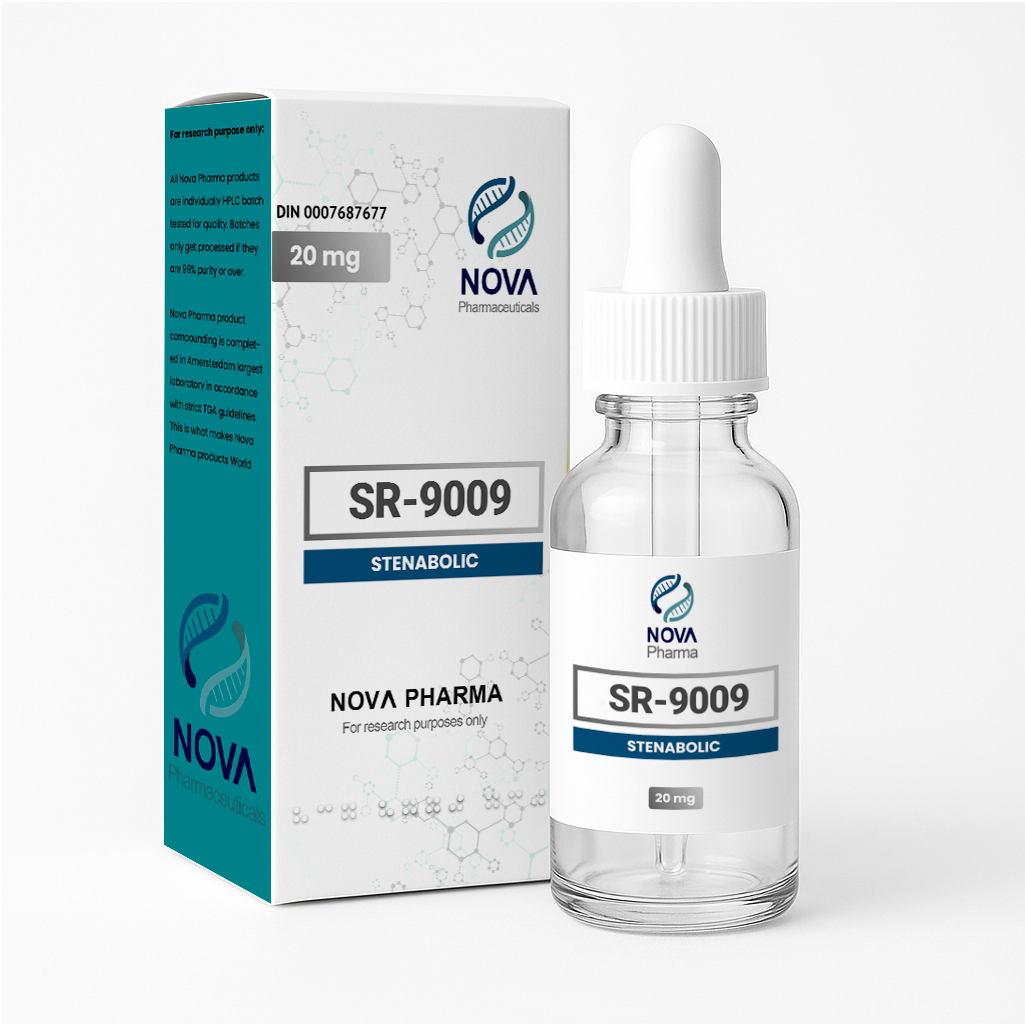
SR-9009
20mg/ml
Achetez 3+ : 15 % de rabais