Aromasin
Exemestane — suicidal aromatase inhibitor. Permanently deactivates the aromatase enzyme for superior estrogen management.
Compound
At a glance
At a glance
- Concentration
- 50 × 25mg
- Purity
- USP-equivalent ≥98%
- Route
- Oral
- Storage
- Room temperature, dry, away from light.
Exemestane is a steroidal, irreversible aromatase inhibitor developed by Pfizer (originally Pharmacia & Upjohn) for the treatment of advanced breast cancer. Unlike Anastrozole and Letrozole, which reversibly bind to and inhibit the aromatase enzyme, Exemestane is a "suicidal" (mechanism-based) inhibitor: it permanently binds to the aromatase enzyme and deactivates it. New aromatase enzyme must be synthesized by the body to restore activity, a process that takes approximately 2–3 days per turnover cycle.
This suicidal mechanism provides a distinct pharmacological advantage. Because the inhibition is irreversible, estrogen suppression does not depend on maintaining a steady-state blood concentration of the inhibitor. Even as Exemestane is metabolized and cleared, the aromatase enzymes it has already bound remain permanently inactivated. This creates a more durable suppression profile and makes Aromasin less susceptible to "estrogen rebound" — the rapid surge in estradiol that can occur when competitive inhibitors like Anastrozole or Letrozole are abruptly discontinued.
Aromasin suppresses total-body aromatization by approximately 85–95% at the 25 mg daily dose used in clinical oncology. In anabolic research applications, much lower doses are typically sufficient — 12.5 mg every other day is the most common protocol. A notable secondary benefit: Exemestane has been shown in clinical studies to have a mildly positive effect on bone mineral density (unlike competitive AIs, which can reduce bone density) and to have a less detrimental impact on lipid profiles compared to Anastrozole. Some evidence also suggests a modest increase in IGF-1 levels during Exemestane administration.
Aromasin is the preferred AI for researchers who prioritize stable estrogen management and want to minimize the risk of post-AI estrogen rebound. It is particularly well-suited for long cycles, cruise/blast protocols where transitions between aromatizing and non-aromatizing compounds occur, and for researchers who have experienced joint pain or mood disturbance from competitive AIs. It integrates well into PCT bridges because its lipid profile is more favorable.
Exemestane has a half-life of approximately 24 hours. It is fat-soluble and should be administered with a meal containing dietary fat to maximize absorption (bioavailability increases by approximately 40% when taken with food). Standard research dosages are 12.5–25 mg every other day or every third day, titrated to bloodwork. Because it is steroidal in structure, Exemestane does not carry significant hepatotoxicity. The primary risk of over-dosing is the same as any AI: crashed estrogen, presenting as dry joints, lethargy, loss of libido, and mood disturbance. Bloodwork is essential for calibration.
Dose ranges published in the peptide-research literature vary considerably. Research protocols should be designed by a qualified researcher and use the lowest effective dose consistent with the hypothesis being tested. Half-life determines dosing frequency — shorter half-lives usually require daily dosing, while long-acting analogues tolerate weekly administration.
For compound-specific dose theory, see the half-life dosing math guide and the stacking theory reference.
Independent lab verification
Research disclaimer
For research and laboratory use only. Not for human or veterinary consumption. Novo Pharma sells to qualified researchers of legal age and ships to Canadian addresses only. See disclaimer and terms.
Read the research
Reference articles from the lab covering this compound.
comparisons
Letrozole vs Arimidex vs Aromasin: Complete AI Comparison for Steroid Users
Compare the three aromatase inhibitors used on steroid cycles — Arimidex (anastrozole), Aromasin (exemestane), and Letrozole (femara). Learn their mechanisms, dosing, side effects, estrogen rebound risks, and which AI to use for on-cycle management, PCT, and emergency gyno reversal.
comparisons
Aromasin vs Arimidex: Suicidal vs Competitive AI — Which Is Safer on Cycle?
Aromasin (exemestane) vs Arimidex (anastrozole) — suicidal vs competitive aromatase inhibitors compared. Mechanisms, dosing, lipid impact, PCT transitions, and which AI suits your steroid cycle best.
hubs
Post Cycle Therapy (PCT): The Complete Guide to Recovery
The definitive guide to Post Cycle Therapy. SERMs, AIs, HCG, protocols by cycle type, timing based on half-lives, bloodwork interpretation, and recovery timelines.
Related compounds.
View all Orals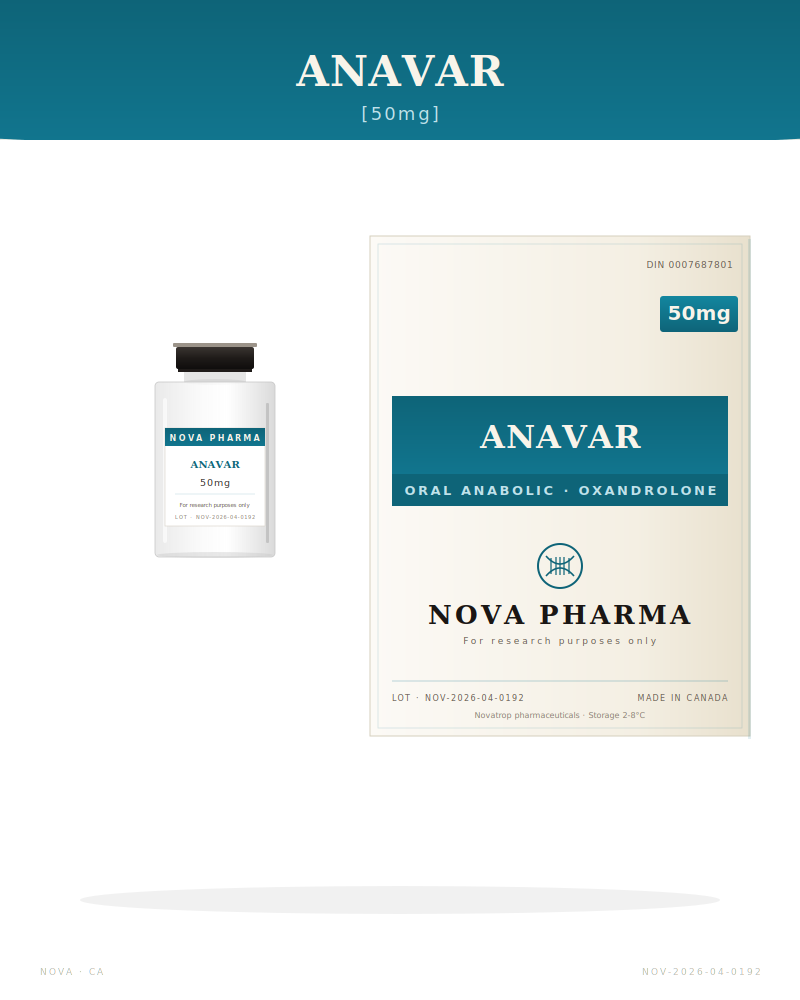
Anavar
50 × 20mg
Buy 3+ Save 15%
Anadrol
100 × 25mg
Buy 3+ Save 15%
Winstrol
50 × 25mg
Buy 3+ Save 15%
Turinabol
50 × 25mg
Buy 3+ Save 15%